Camp Ready Add my camp
    Home
    Camps in North Carolina
    Blue Star Camp
    Camp cover
    Blue Star Camp logo

    Blue Star Camp

    North Carolina, United States
    Camp starts in 22 days
    Gender

    Coed

    Stay

    Overnight camp

    Ages

    6 - 16 yrs

    Staff ratio

    TBC

    About our camp

    Blue star was established in 1948, the founders looked to create an inclusive jewish Camp, that could educate campers about their shared history. With values such as kindness, inclusion and social justice, combined with amazing activities and high class facilities, every campers is going to have an amazing summer here.

    Our programs

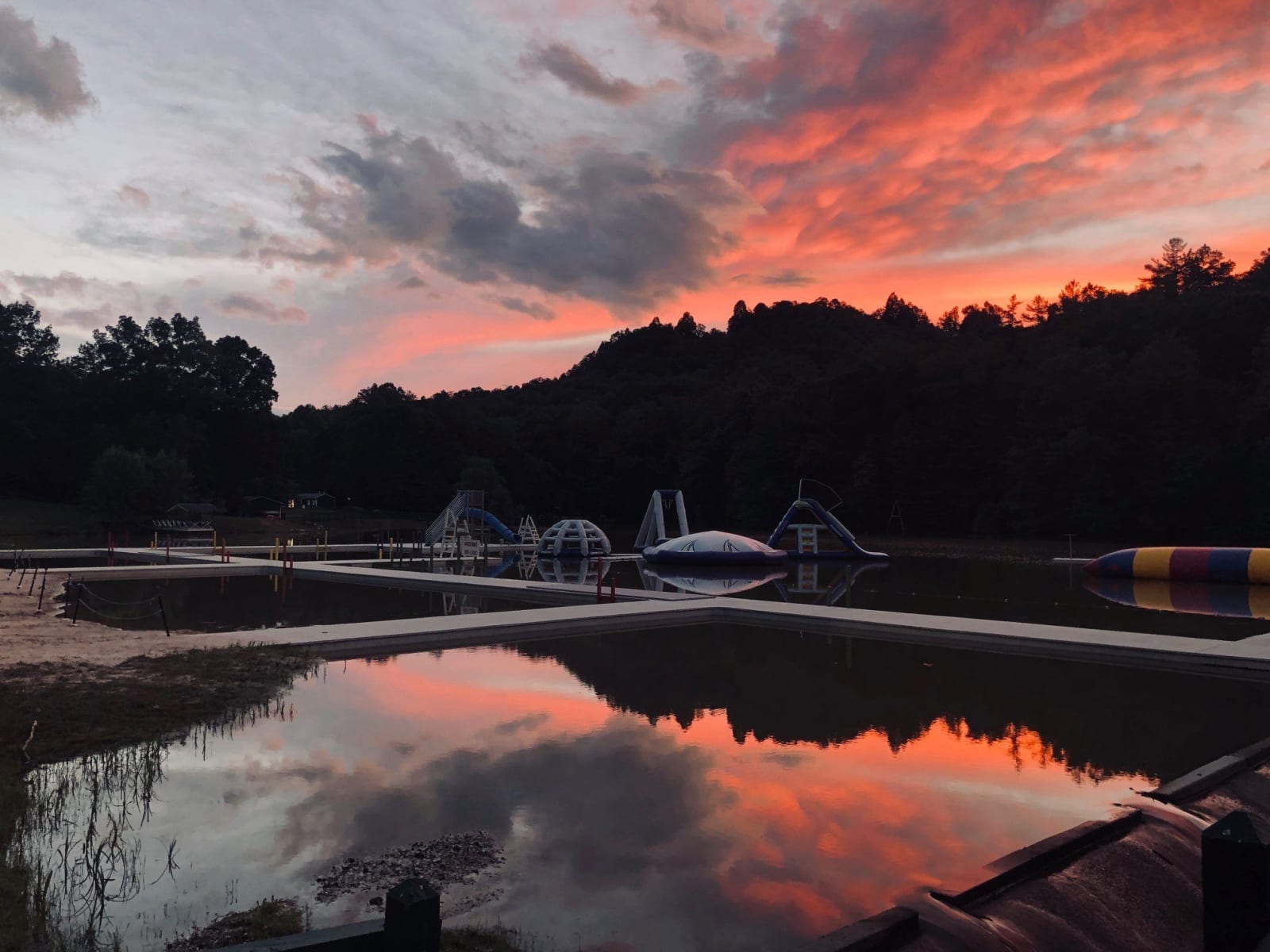
    Campers have the luxury of creating their own customised activity program. With numerous activities to choose from, campers will develop individual strengths as they increase their fitness and sporting abilities. Whatever ever they choose to do it is all about having fun and creating lasting friendships.

    We offer over 32 activities here are a few:

    3D printing3D printing
    ArcheryArchery
    BasketballBasketball
    CampingCamping
    Candle makingCandle making
    CanoeingCanoeing

    Session overview

    Camp season
    14 Jun - 02 Aug 2026
    Program profile
    5 sessions · Overnight
    Rates & Stays
    Planning Estimate
    Day session
    Average daily tuition
    N/A
    Overnight session
    Average daily tuition
    from $233 USD

    Program-specific tuition options

    This camp may offer session-specific tuition structures, including variations by length of stay, enrollment timing, or payment schedule. Families should confirm details directly with the provider.

    Daily figures are calculated from standard tuition and shown as a planning reference only.

    This estimate helps families understand the overall scale of commitment across stay options. Final tuition, inclusions, discounts, and payment structures vary by session and are confirmed directly with the camp.

    Upcoming sessions:

    Where this camp is located

    Hendersonville, North Carolina, United States

    179 Blue Star WayHendersonville, North Carolina, United States

    Explore the North Carolina camp system

    Camps in North Carolina operate within a broader regional system shaped by geography, climate, infrastructure, and local traditions. Explore how these factors influence daily camp life across the area.

    Quick resources:
    Learn more about North Carolina

    Explore the North Carolina camp system

    Camps in North Carolina operate within a broader regional system shaped by geography, climate, infrastructure, and local traditions. Explore how these factors influence daily camp life across the area.

    The Parent Side Quest in North Carolina

    The parallel experience that unfolds outside the camp system

    The parent adjacent layer in North Carolina is defined by the mountain and maritime hospitality corridors that bracket the primary camp zones.

    During session transitions, the towns of Highlands, Asheville, and Brevard experience a surge in occupancy as the parallel world of the mountain retreat unfolds. This waiting rhythm is marked by a shift from the high speed urban pace of I-85 to a mountain slowdown cycle. Parents occupy the historic grand hotels and boutique inns of the High Country. This layer exists as a high value economy that mirrors the seasonal window of the camp system.

    The rhythm of this side quest is dictated by the availability of Appalachian cuisine and the timing of local craft fairs. Parents navigate the Blue Ridge Parkway and visit sites like the Biltmore Estate while their children are immersed in the camp habitat. This experience is characterized by a focus on heritage districts where the history of the Cherokee Nation and the textile era remains visible. It provides a cultural retreat that exists in tandem with the camp schedule.

    Bluegrass music is common in town squares.

    In the coastal regions, the side quest moves to towns like Beaufort and Wilmington. Here, the waiting rhythm involves Atlantic charter fishing and the exploration of maritime history. The transition from the inland plains to the coastal breeze provides a sensory shift that matches the arrival at a coastal camp. Parents occupy this maritime layer, utilizing the sound front amenities and local seafood markets during drop off and pick up windows.

    The shadow load of this layer surfaces as increased traffic on scenic byways and high demand for seasonal lodging. This friction is expressed through the necessity for early reservations and the management of travel times through small mountain gaps. The parent adjacent experience is anchored in the same lush high moisture environment as the camp system, but it operates through a lens of hospitality and leisure. This creates a parallel rhythm of observation and relaxation.

    Waiting occurs in the presence of woodsmoke and the sight of evapotranspiration over the peaks. This smoke provides a distinct visual backdrop for those staying in the western region. The sensory intensity of the landscape is shared between the camp participant and the waiting parent, though their physical loads differ. This shared environment creates a common understanding of the state's summer character without direct operational contact.

    Heritage districts provide a sense of place that anchors the waiting period in the local history of North Carolina. These areas offer a structural look at the development of the region from wilderness to a hub of summer activity. The presence of local art and music serves as a cultural signal of the mountain or coastal identity. This side quest is a necessary parallel to the camp system, providing a buffer for the logistics of the session changeover.

    hospitality corridor occupancy shifts.

    mountain slowdown rhythm markers.

    heritage district transit patterns.

    The sight of the smoke over the Blue Wall.

    North Carolina travel context

    Arrival at CLT or RDU involves a transition through high volume, glass walled terminals into the humid, pine scented atmosphere of the Piedmont plateau. Travelers move from the urban financial and research hubs toward the drastic topographical shifts of the state. The movement progresses either toward the flat, sandy expanses of the Outer Banks or the steep, blue misted ridges of the Blue Ridge and Great Smoky Mountains.

    Charlotte Douglas International Airport (CLT)

    The facility operates as a centralized hub with a single main terminal building feeding multiple concourses in a radial pattern. Staging for camp transit occurs at the lower level arrivals curb, which is organized by zones for commercial shuttles. The layout is high density and requires navigation through a large central atrium to reach the ground transportation exits.

    Radial terminal architecture

    Centralized passenger processing

    High volume hub operations

    The smooth, cool texture of the white rocking chairs in the atrium.

    Transit corridor

    Transit utilizes the I 40 or I 77 arteries, serving as the primary connectors between the coast and the mountains. These roadways are characterized by rolling hills that transition into steep mountain grades with runaway truck ramps in the west, or long, flat stretches through tobacco and cotton fields in the east. As transit moves toward the Blue Ridge Parkway regions, the infrastructure involves narrow, winding curves and significant elevation gains.

    Piedmont to mountain transition

    Ridge line highway navigation

    The pressure change in the ears when ascending the Black Mountains.

    The primary friction point is the significant congestion at the I 77/I 40 interchange and the impact of heavy afternoon convection storms on mountain visibility.

    This content is provided for general informational purposes only and reflects market observations and publicly available sources. Kampspire is an independent information platform and does not provide medical, legal, psychological, safety, travel, or professional advisory services. Program details, supervision practices, safety protocols, pricing, availability, and policies are determined by individual providers and should be confirmed directly with them.

    Disclaimer: This content is for general informational purposes only. Kampspire does not verify provider compliance, safety standards, or site-wide data accuracy; all details and policies must be confirmed directly with the source. Refer to ourFull Terms.

    See what most parents miss.

    One clear observation each week about how camp actually works.

    One email each week. Unsubscribe anytime.

    Kampspire Logo

    Established 2011

    General

    • Home
    • Add My Camp
    • Help

    Popular locations

    • New York
    • Pennsylvania
    • Maine
    • California
    • Alberta

    Understand camp

    • Camp Ready
    • How to choose a camp
    • Field Guide
    • Global camp system
    • Camp Archetypes
    • Archetype home
    • Civic integration hubs
    • Discovery hubs
    • Immersive legacy habitats
    • Mastery foundations

    Explore camp systems

    USA

    • New York
    • Pennsylvania
    • Maine
    • California
    • Wisconsin
    • North Carolina
    • New Hampshire
    • Michigan
    • Colorado
    • Massachusetts
    • View all

    Canada

    • Ontario
    • Quebec
    • British Columbia
    • Alberta
    • Manitoba
    • Saskatchewan
    • Nova Scotia
    • New Brunswick
    • Newfoundland
    • Prince Edward Island
    • View all

    © 2026 ®

    ·
    Terms ·Privacy ·Sitemap