Home
    Camps in Wisconsin
    Camp Agawak
    Camp cover
    Camp Agawak logo

    Camp Agawak

    Wisconsin, United States
    New sessions TBC
    Gender

    All girls

    Stay

    Overnight camp

    Ages

    7 - 16 yrs

    Staff ratio

    TBC

    About our camp

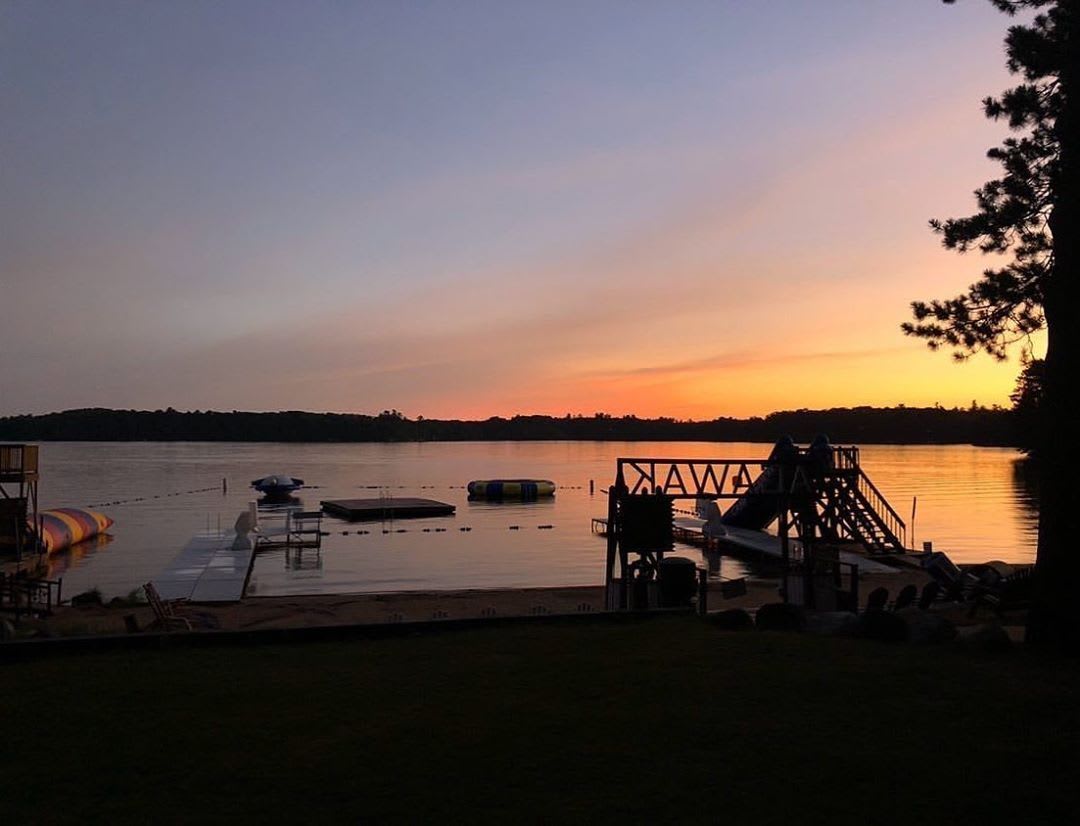
    Located next to 460 acre private lake In Minocqua, Wisconsin, Camp Agawak is a place where young girls can discover themselves, grow positively and develop long lasting & meaningful friendships. Staff at Camp Agawak will ensure that each camper becomes part of the Agawak family.

    Our programs

    Offering over 45 activities Camp Agawak there is no shortage of fun to be had. Whether your daughter is sporty or loves the arts, she can experience it all at camp, as well as making some amazing friendships and life long memories.

    We offer over 25 activities here are a few:

    ArcheryArchery
    BasketballBasketball
    CampfiresCampfires
    Candle makingCandle making
    CanoeingCanoeing
    Drama theatreDrama theatre

    Session overview

    Camp season
    N/A
    Program profile
    0 sessions · N/A
    Rates & Stays
    Planning Estimate
    Day session
    Average daily tuition
    N/A
    Overnight session
    Average daily tuition
    N/A

    Program-specific tuition options

    This camp may offer session-specific tuition structures, including variations by length of stay, enrollment timing, or payment schedule. Families should confirm details directly with the provider.

    Daily figures are calculated from standard tuition and shown as a planning reference only.

    This estimate helps families understand the overall scale of commitment across stay options. Final tuition, inclusions, discounts, and payment structures vary by session and are confirmed directly with the camp.

    Upcoming sessions:

    This camp hasn't added any sessions yet

    Where this camp is located

    Minocqua, Wisconsin, United States

    7851 Agawak RoadMinocqua, Wisconsin, United States

    Explore the Wisconsin camp system

    Camps in Wisconsin operate within a broader regional system shaped by geography, climate, infrastructure, and local traditions. Explore how these factors influence daily camp life across the area.

    Quick resources:
    Learn more about Wisconsin

    Explore the Wisconsin camp system

    Camps in Wisconsin operate within a broader regional system shaped by geography, climate, infrastructure, and local traditions. Explore how these factors influence daily camp life across the area.

    The Parent Side Quest in Wisconsin

    The parallel experience that unfolds outside the camp system

    The parent-adjacent layer in Wisconsin is anchored in the supper-club-and-shoreline hospitality corridors that bracket the primary camp zones.

    During session transitions, towns like Minocqua, Lake Geneva, and those within Door County experience a surge of visitors who occupy a parallel world of Friday night fish fries and pontoon-boat leisure. This waiting rhythm is characterized by a shift from the urban pace to lake-time, where the availability of old-fashioned gourmet dining and the timing of local water-ski shows dictate the schedule. The economy of these towns is heavily influenced by this seasonal influx, which supports a network of lakeside resorts and boutique lodges. These establishments often display historic photographs of the timber era.

    The parent experience often mirrors the sensory anchors of the camp itself. The sound of a screen door closing and the smell of smoked whitefish provide a cultural retreat that aligns with the Northwoods environment. This world exists in the heritage districts where the history of the timber industry is still visible in the architecture and local museums. Parents navigate this space through a series of artisanal cheese shops and roadside stands, creating a slow-paced orbit around the camp's central operations. This leisure cycle is dictated by local food availability and sunset times.

    This layer is held in the lakeside resorts that have functioned for generations, offering a consistent aesthetic of heavy timber and lake views. These spaces provide a transition zone for those entering or leaving the camp system, allowing the high-moisture climate to be experienced through a lens of leisure rather than utility. The rhythm of these towns slows as the sun sets, moving toward the communal atmosphere of the local supper club. The arrival of the evening fog often signals the end of the day's outdoor activities.

    The screen door slap echoes.

    System load in this adjacent layer surfaces as the hospitality-saturation effect, where the limited availability of high-quality lodging during turnover days creates a surge in local resource demand. This is expressed through a constraint on communication rhythm, as cellular networks in rural lake clusters become burdened by the sudden increase in population. Furthermore, the transit-friction load is signaled by the congestion on narrow two-lane roads. This becomes visible through a constraint on resource rigidity, as local supplies of fuel and provisions are often depleted during peak transition weekends.

    supper club reservation book.

    pontoon-boat rental dock.

    artisanal cheese shop inventory.

    the aroma of beer-battered cod and rye bread on a Friday night

    Wisconsin weather patterns

    A parent watches a bank of clouds build over a glacial lake as a cool breeze from the north rustles the birch leaves. The environment is a continental system influenced by the massive thermal mass of Lakes Michigan and Superior. Weather patterns are characterized by steady moisture inflow and frequent shifts between humid air from the south and crisp, dry air masses from the Canadian interior.

    Thermal System

    Temperatures build steadily through the morning, often peaking in the midafternoon. Proximity to the Great Lakes provides a significant cooling effect for coastal camps, where temperatures can remain noticeably lower than in the interior. Nighttime cooling is efficient, especially in the northern pine forests, where the air often turns sharp and refreshing after sunset.

    Great Lakes temperature regulation

    Moderate interior thermal peaks

    Efficient nocturnal cooling

    The sudden, cool breath of a lake breeze.

    Moisture System

    Moisture levels are moderate to high, often resulting in heavy morning dew across the state’s many meadows and wetlands. Summer precipitation arrives via organized frontal systems or localized convective thunderstorms that move quickly across the rolling landscape. This consistent moisture sustains the lush forest environment and keeps ambient humidity levels noticeable during peak heat.

    Frequent convective storm cycles

    High morning condensation levels

    Variable humiditydriven shifts

    The damp, cool feel of morning grass against a boot.

    Sun Exposure

    Solar radiation is direct and strong during the long summer days, though it is frequently filtered by afternoon cumulus clouds. The landscape offers a balance of highUV exposure in open agricultural fields and deep, protective shade within the extensive northwoods and hardwood forests. Reflective glare is a factor for camps situated on the shores of the state’s 15,000 lakes.

    Sustained midday UV intensity

    Significant forest canopy shade

    Watersurface reflective glare

    The warmth of sun on a pinescented path.

    Variable humidity and frequent convective storm cycles represent the primary environmental constraints.

    This content is provided for general informational purposes only and reflects market observations and publicly available sources. Kampspire is an independent information platform and does not provide medical, legal, psychological, safety, travel, or professional advisory services. Program details, supervision practices, safety protocols, pricing, availability, and policies are determined by individual providers and should be confirmed directly with them.

    Wisconsin travel context

    Arrival at MKE or MSN involves a transition through mid sized, glass walled terminals into the temperate, often humid air of the Great Lakes basin. Travelers move from the gate toward the ground transportation center via climate controlled skywalks. The movement shifts from the industrial and lakefront corridors of the southeast toward the rolling glacial moraines, deep Northwoods forests, and the sandstone bluffs of the Driftless Area.

    Milwaukee Mitchell International Airport (MKE)

    The facility features a radial concourse design with a centralized baggage claim and transit hub. Staging for camp transit is located at the lower level arrivals curb, with specific zones designated for regional 'Go Riteway' shuttles and private camp buses. The environment is characterized by a mix of mid century and modern architecture, offering a smooth transition to the I 94 corridor.

    Consolidated transit hub access

    Skywalk linked parking and rail

    Great Lakes maritime transition

    The unique 'Reclaim Ping' sound of the airport's vintage style baggage bells.

    Transit corridor

    Transit utilizes the I 94, I 39, or US 51 corridors, serving as the primary arteries into the central and northern regions. These roadways traverse flat agricultural plains that transition into the rolling 'kettle' topography of the south central region. As transit moves into the Northwoods, the infrastructure becomes dominated by two lane highways lined with dense stands of pine and birch, passing through numerous lake chains and marshlands.

    Glacial moraine topographical navigation

    Northwoods forest arterial transition

    The rhythmic sound of tires on the expansion joints of the long river bridges.

    The primary friction point is the high volume of 'up north' weekend traffic on the I 39/90 corridor and seasonal impacts of heavy lake effect snow in the northern counties.

    This content is provided for general informational purposes only and reflects market observations and publicly available sources. Kampspire is an independent information platform and does not provide medical, legal, psychological, safety, travel, or professional advisory services. Program details, supervision practices, safety protocols, pricing, availability, and policies are determined by individual providers and should be confirmed directly with them.

    Disclaimer: This content is for general informational purposes only. Kampspire does not verify provider compliance, safety standards, or site-wide data accuracy; all details and policies must be confirmed directly with the source. Refer to ourFull Terms.

    Kampspire Logo

    Established 2011

    General

    • Home
    • Add My Camp
    • Help

    Popular locations

    • New York
    • Pennsylvania
    • Maine
    • California
    • Alberta

    Understand camp

    • Camp Ready
    • Field Guide
    • Global camp system
    • Camp Archetypes
    • Archetype home
    • Civic integration hubs
    • Discovery hubs
    • Immersive legacy habitats
    • Mastery foundations

    Explore camp systems

    USA

    • New York
    • Pennsylvania
    • Maine
    • California
    • Wisconsin
    • North Carolina
    • New Hampshire
    • Michigan
    • Colorado
    • Massachusetts
    • View all

    Canada

    • Ontario
    • Quebec
    • British Columbia
    • Alberta
    • Manitoba
    • Saskatchewan
    • Nova Scotia
    • New Brunswick
    • Newfoundland
    • Prince Edward Island
    • View all

    © 2026 ®

    ·
    Terms ·Privacy ·Sitemap