Camp Ready Add my camp
    Home
    Camps in Colorado
    Camp Chief Ouray
    Camp cover
    Camp Chief Ouray logo

    Camp Chief Ouray

    Colorado, United States
    New sessions TBC
    Gender

    Coed

    Stay

    Overnight camp

    Ages

    7 - 17 yrs

    Staff ratio

    TBC

    About our camp

    110 years go into the philosophy, values and approach of Camp Chief Ouray, a residential camp for kids and teens, aged 7-17. The camp has welcomed boys and girls from all over the US and countries around the globe. It provides a Christian environment and is focused on cultivating five major values: caring, honesty, respect, responsibility and faith. Camp Chief Ouray is located on the Snow Mountain Ranch, Denver, Colorado. Here the cabins house up to 10 children who live with 2 counselors for all-day-long supervision and assistance. Being at least 20 years old, staff members at Chief Ouray undergo a 17-day long trainings to prepare them for working with children and teens of different ages and backgrounds. The staff also holds Wilderness First Aid certification, and their background is checked through fingerprints, Sex Offender Search, and FBI/CBI.

    Our programs

    One-week and 2-4-week options are available to choose from. By selecting the one-week session, campers participate in a Mini camp, Adventure trips, Traditional camp, Challenger program, and Horseback riding. In case of the longer session, Traditional camp, International trips, Trekker trips, and Leadership training are available.

    We offer over 7 activities here are a few:

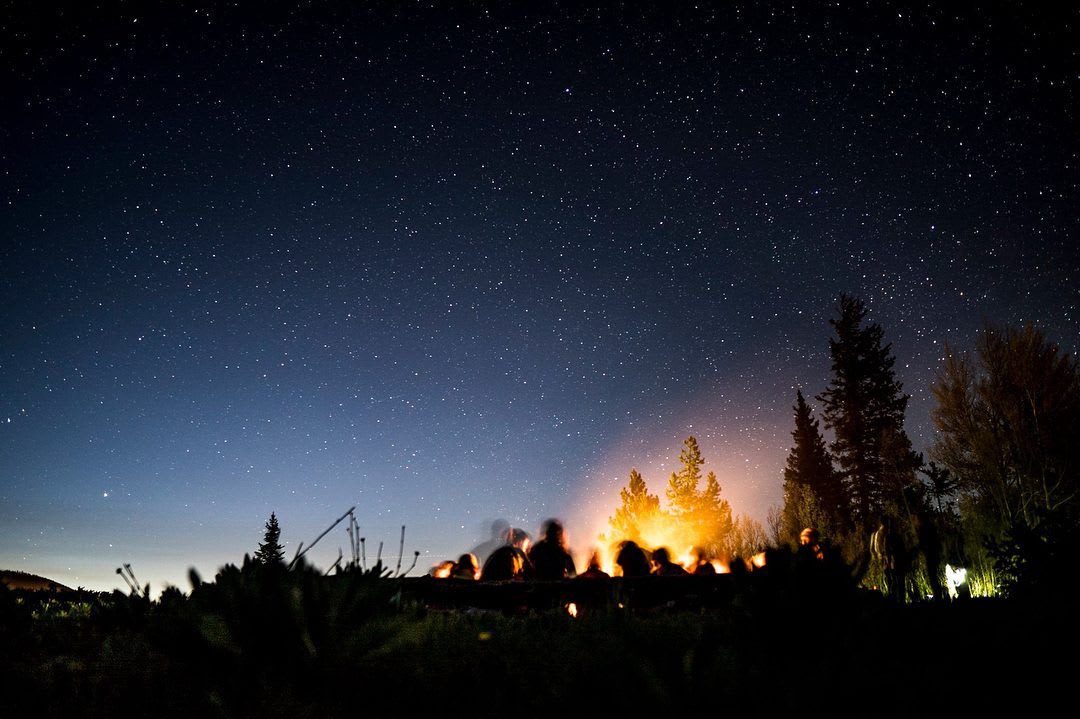
    CampfiresCampfires
    CampingCamping
    DrawingDrawing
    Leadership trainingLeadership training
    PaintingPainting
    Ropes coursesRopes courses

    Session overview

    Camp season
    N/A
    Program profile
    0 sessions · N/A
    Rates & Stays
    Planning Estimate
    Day session
    Average daily tuition
    N/A
    Overnight session
    Average daily tuition
    N/A

    Program-specific tuition options

    This camp may offer session-specific tuition structures, including variations by length of stay, enrollment timing, or payment schedule. Families should confirm details directly with the provider.

    Daily figures are calculated from standard tuition and shown as a planning reference only.

    This estimate helps families understand the overall scale of commitment across stay options. Final tuition, inclusions, discounts, and payment structures vary by session and are confirmed directly with the camp.

    Upcoming sessions:

    This camp hasn't added any sessions yet

    Where this camp is located

    Granby, Colorado, United States

    1101 County Road 53Granby, Colorado, United States

    Explore the Colorado camp system

    Camps in Colorado operate within a broader regional system shaped by geography, climate, infrastructure, and local traditions. Explore how these factors influence daily camp life across the area.

    Quick resources:
    Learn more about Colorado

    Explore the Colorado camp system

    Camps in Colorado operate within a broader regional system shaped by geography, climate, infrastructure, and local traditions. Explore how these factors influence daily camp life across the area.

    The Parent Side Quest in Colorado

    The parallel experience that unfolds outside the camp system

    The parent-adjacent layer in Colorado is defined by the mountain resort economy that brackets the primary camp zones.

    While the camp system operates at elevation, a parallel world of mountain biking and fly-fishing occupies the nearby resort corridors. Towns like Breckenridge and Steamboat Springs experience a surge of seasonal residents who fill the condos and historic hotels. This waiting rhythm is characterized by a shift from the metropolitan pace of the Front Range to the high-country leisure cycle. Parents often occupy the space between the metropolitan hubs and the remote mountain sites. In the San Luis Valley, the experience may be centered on the hot springs of Pagosa or the Great Sand Dunes, where the cultural backdrop is distinct from the alpine forest.

    This layer is not an operational extension of the camp but a separate vacation economy that exists in the same high-altitude window. The physical distance between the plains and the peaks necessitates a multi-day stay in a mountain town. System load in this parent-adjacent layer is expressed through the altitude friction of the Rockies as the body adjusts to the elevation. This manifests as a slower pace of movement and a reliance on the same hydration routines found within the camp system. The sensory experience of this layer is marked by the constant presence of state park permits and the visual of technical outdoor apparel.

    Trailheads stay crowded until dusk.

    Gateways like Golden, Silverthorne, and Estes Park serve as the primary logistical hubs for those entering the high-altitude system. The rhythm of this experience is dictated by the availability of mountain passes and the timing of the daily weather patterns. In the southern regions near Durango, the side quest involves the heritage of narrow-gauge railroads and Mesa Verde cliff dwellings. This external layer operates on mountain time, where the elevation determines the scope of the daily activity. This shift in tempo surfaces as a relaxation of schedule rigidity and becomes visible through the occupancy of alpine spas and fly-fishing shops.

    Parents navigating this layer encounter the same environmental constraints of rapid temperature drops and intense solar exposure. The requirement for thermal layers and sun protection is a shared physical load that mirrors the camp experience. This parallel residency creates a surge in demand for high-altitude supplies in gateway retail corridors. The experience is anchored by the presence of the Continental Divide, providing a geographic mirror to the participant's location in the high peaks. This proximity without participation defines the structural boundary of the side quest.

    Cold mountain air flows down at sunset.

    resort corridor occupancy patterns.

    gateway town logistical surges.

    high-country leisure cycle transitions.

    altitude-adjusted movement pace.

    high-altitude supply procurement.

    the smell of sulfur from mineral springs and pine resin.

    Colorado weather patterns

    A parent pulls on a light layer as a sudden afternoon shadow crosses a mountain meadow. The environment is defined by high elevation, low atmospheric density, and rapid thermal cycling. Intense solar energy during the day is quickly replaced by cool, thin air as soon as the sun is obstructed.

    Thermal System

    Temperatures are driven almost entirely by direct solar contact rather than ambient air retention. Shaded areas remain significantly cooler than sunlit spots, even at midday. Nocturnal cooling is rapid and efficient, frequently bringing temperatures down to a crisp baseline regardless of daytime peaks.

    Extreme diurnal temperature swings

    Elevationinduced cooling

    High shadetosun thermal contrast

    The sharp cold of a metal railing in the shade.

    Moisture System

    The air is characterized by persistent aridity, leading to nearinstantaneous evaporation of moisture from surfaces. Afternoon convective storms are common, bringing brief, intense bursts of rain or hail that dry quickly once the clouds pass. Soil and vegetation typically remain dry to the touch.

    Rapid evaporation rates

    Low ambient humidity

    Localized mountain storm cycles

    The brittle snap of dry pine needles underfoot.

    Sun Exposure

    High elevation results in decreased atmospheric filtration and increased UV intensity. Solar radiation feels direct and piercing, with very little diffusion from haze or humidity. The clarity of the air allows for high visibility but requires constant sitebased shade infrastructure.

    High UV index at elevation

    Intense direct solar radiation

    Minimal atmospheric haze

    The immediate prickle of sun on the back of the neck.

    High elevation solar intensity and rapid thermal shifts represent the primary environmental constraints.

    This content is provided for general informational purposes only and reflects market observations and publicly available sources. Kampspire is an independent information platform and does not provide medical, legal, psychological, safety, travel, or professional advisory services. Program details, supervision practices, safety protocols, pricing, availability, and policies are determined by individual providers and should be confirmed directly with them.

    Colorado travel context

    Arrival at DIA involves a subterranean train transit from the airside concourses to the iconic peaked roof of the Jeppesen Terminal. Travelers move through expansive baggage claim halls before exiting into the high plains atmosphere. The corridor transition is immediate, moving from the flat eastern prairie toward the sheer rise of the Front Range.

    Denver International Airport (DEN)

    The airport is designed with a centralized terminal served by remote concourses via an underground automated guideway. Staging for camp arrivals occurs at the Level 4 or Level 5 curbsides, categorized by vehicle type. The sheer scale of the facility requires substantial transit time between gate arrival and ground vehicle boarding.

    Subterranean concourse linkage

    High altitude terminal environment

    Consolidated ground transit zones

    The dry, thin air felt immediately upon deplaning.

    Transit corridor

    Transit follows the I 70 or Highway 285 arteries, characterized by rapid, sustained vertical gain and sharp mountain curves. These corridors are high volume and subject to sudden weather related traction requirements. As movement progresses, the highway system often constricts at tunnels and mountain passes, creating significant flow bottlenecks.

    Sustained alpine ascent

    High altitude infrastructure constraints

    The cooling of the cabin air as elevation increases.

    The primary friction point is the physical impact of rapid altitude gain on incoming travelers from sea level regions.

    This content is provided for general informational purposes only and reflects market observations and publicly available sources. Kampspire is an independent information platform and does not provide medical, legal, psychological, safety, travel, or professional advisory services. Program details, supervision practices, safety protocols, pricing, availability, and policies are determined by individual providers and should be confirmed directly with them.

    Disclaimer: This content is for general informational purposes only. Kampspire does not verify provider compliance, safety standards, or site-wide data accuracy; all details and policies must be confirmed directly with the source. Refer to ourFull Terms.

    Kampspire Logo

    Established 2011

    General

    • Home
    • Add My Camp
    • Help

    Popular locations

    • New York
    • Pennsylvania
    • Maine
    • California
    • Alberta

    Understand camp

    • Camp Ready
    • How to choose a camp
    • Field Guide
    • Global camp system
    • Camp Archetypes
    • Archetype home
    • Civic integration hubs
    • Discovery hubs
    • Immersive legacy habitats
    • Mastery foundations

    Explore camp systems

    USA

    • New York
    • Pennsylvania
    • Maine
    • California
    • Wisconsin
    • North Carolina
    • New Hampshire
    • Michigan
    • Colorado
    • Massachusetts
    • View all

    Canada

    • Ontario
    • Quebec
    • British Columbia
    • Alberta
    • Manitoba
    • Saskatchewan
    • Nova Scotia
    • New Brunswick
    • Newfoundland
    • Prince Edward Island
    • View all

    © 2026 ®

    ·
    Terms ·Privacy ·Sitemap