Home
    Camps in Pennsylvania
    Camp Wayne for Boys
    Camp cover
    Camp Wayne for Boys logo

    Camp Wayne for Boys

    Pennsylvania, United States
    Camp starts in 8 weeks
    Gender

    All boys

    Stay

    Overnight camp

    Ages

    6 - 16 yrs

    Staff ratio

    TBC

    About our camp

    Friends and staff members become “Brothers for Life” at Camp Wayne, founded back in 1921. Big Brother/Little Brother program is created to help newcomers make a smooth transition into the camp life. First-time campers receive a call from their Big Brother to talk about the camp and what they can expect during the coming weeks. School tutoring is also available for boys whose parents will inform the staff about needed instruction in advance. The staff at Camp Wayne is comprised of educators, college and high school coaches, as well as graduate and undergraduate students, the senior staff having years of camp experience. The Food Service Director takes the full responsibility for the food served in the camp. Meals are always fresh, well-balanced, nutritious and varied. Breakfast is served buffet-style, while lunch and dinner are served family-style – in the large dining-room that overlooks the lake. Fruits are available during the whole day, and still boys need three snacks throughout the day to have enough energy for all the fun and learning at the camp. Accommodation is provided for dietary restrictions.

    Our programs

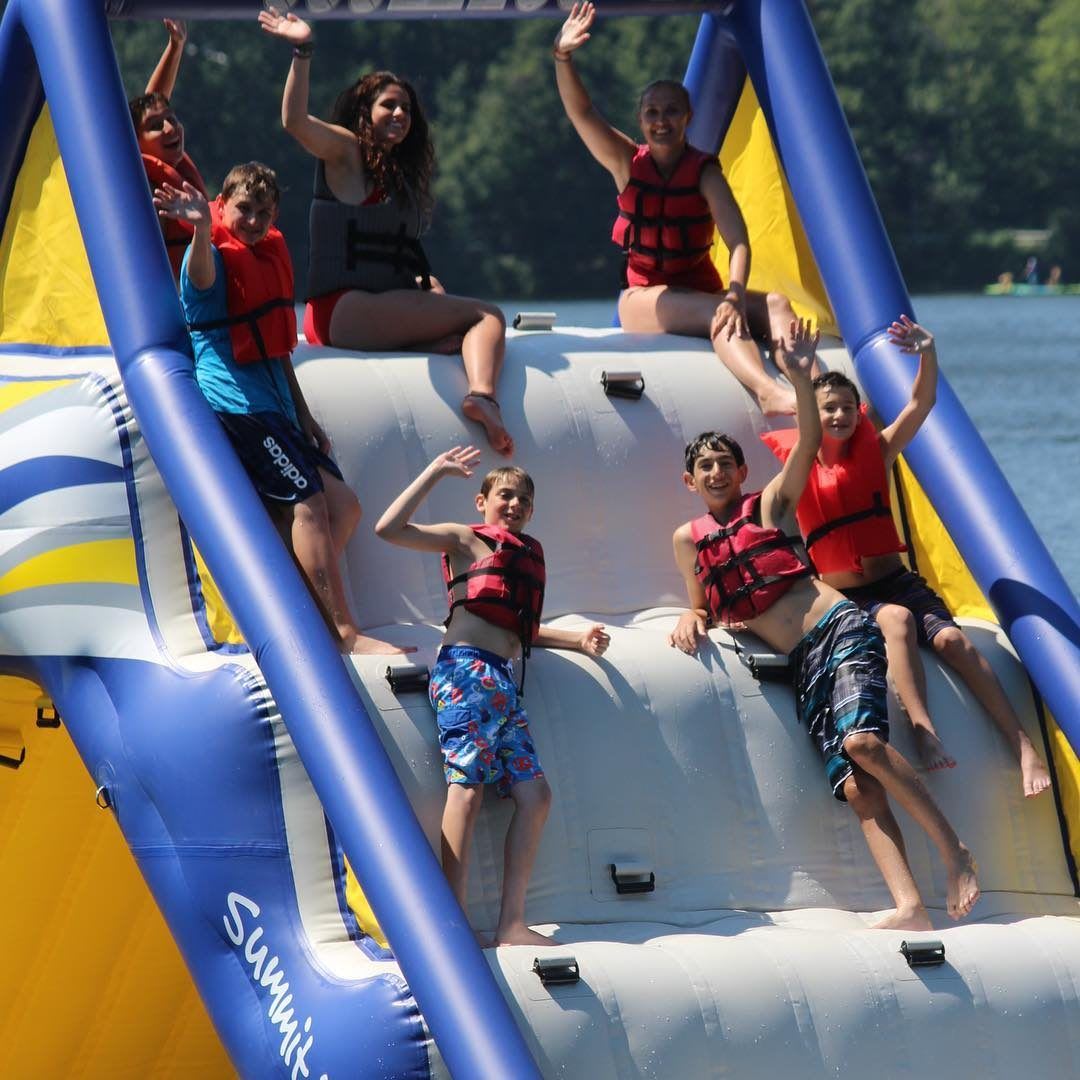
    Instructional sports program and the Conference (a daily league period), are the heart of the activities Camp Wayne offers. In addition, campers participate in waterfront, adventure and art activities, as well as in the Leadership Program. The non-exhaustive list of activities includes basketball, boxing, European team handball, fitness, martial arts, canoeing, kayaking, stand-up paddleboard, tubing, water polo, high/low ropes course, zip line, mountain biking, as well as music, painting, performing arts, chess, Ga Ga and so much more. Two important activities, Dream Weekend and Rookie Day, will be valuable to those who are considering to join the camp. During Dream Weekend, teens spend two days participating in the sport, art and adventure activities the camp offers. On the Rookie day, parents are invited to experience the camp life with their children. Mondays and Thursdays are special event days, which include Scavenger Hunt, Super League Day, the Carnival, the Olympics, Shark Tank, and Amazing Race.

    We offer over 11 activities here are a few:

    BasketballBasketball
    BoxingBoxing
    CanoeingCanoeing
    Drama theatreDrama theatre
    KayakingKayaking
    Martial artsMartial arts

    Session overview

    Camp season
    27 Jun - 15 Aug 2026
    Program profile
    1 session · Overnight
    Rates & Stays
    Planning Estimate
    Day session
    Average daily tuition
    N/A
    Overnight session
    Average daily tuition
    from $328 USD

    Program-specific tuition options

    This camp may offer session-specific tuition structures, including variations by length of stay, enrollment timing, or payment schedule. Families should confirm details directly with the provider.

    Daily figures are calculated from standard tuition and shown as a planning reference only.

    This estimate helps families understand the overall scale of commitment across stay options. Final tuition, inclusions, discounts, and payment structures vary by session and are confirmed directly with the camp.

    Upcoming sessions:

    Where this camp is located

    Pennsylvania, United States

    15 Camp Wayne RoadPennsylvania, United States

    Explore the Pennsylvania camp system

    Camps in Pennsylvania operate within a broader regional system shaped by geography, climate, infrastructure, and local traditions. Explore how these factors influence daily camp life across the area.

    Quick resources:
    Learn more about Pennsylvania

    Explore the Pennsylvania camp system

    Camps in Pennsylvania operate within a broader regional system shaped by geography, climate, infrastructure, and local traditions. Explore how these factors influence daily camp life across the area.

    The Parent Side Quest in Pennsylvania

    The parallel experience that unfolds outside the camp system

    The parent-adjacent layer in Pennsylvania is defined by the heritage-and-hospitality corridors that bracket the primary camp zones.

    During session transitions, the towns of Jim Thorpe and New Hope experience a surge in the parallel population of parents occupying the local economy. This rhythm is marked by the presence of boutique antiques and scenic railroad tours that mirror the slower pace of the mountains. The waiting rhythm is signaled by the high occupancy of mountain resorts and bed-and-breakfasts in the Delaware Water Gap. This experience is held in a world of historical preservation and Amish-country leisure that exists entirely outside the operational fence of the camp.

    Evening mist settles in the valleys.

    In the western region, the parent experience is expressed through visits to architectural landmarks like Fallingwater or the Flight 93 Memorial. These sites provide a sensory mirror to the camp environment through the use of natural stone and wood materials. The system load of this parallel experience is carried by the surge in local traffic on the PA Turnpike and smaller state routes. Transition friction surfaces as parents move from the high-stress interstate pace to the Keystone-slowdown cycle of local village life.

    The rhythm of this side quest is dictated by the availability of gourmet dining in Dutch Country and the timing of local county fairs. This surfaces as a downstream expression of a distinct seasonal economy that relies on the camp calendar without interacting with camp logistics. The physical presence of parents is signaled by the concentration of out-of-state license plates in small-town parking lots. This parallel world provides a buffer zone where the transition from the family unit to the camp system is processed through the lens of local heritage.

    Sensory anchors are found in the sound of the Reading and Northern train whistle or the sight of sunset over the Susquehanna. This experience is marked by the tactile shift from the climate-controlled car to the humid outdoor air of a river-float festival. The parent-adjacent layer is not an extension of camp routines but a parallel reality that occupies the same thermal window. It is a world of antique stone walls and quiet river bends that exists as a backdrop to the summer cycle.

    The river floats continue all day.

    heritage district hospitality surge.

    scenic railroad transition intervals.

    regional landmark visitation patterns.

    the distant whistle of a steam locomotive echoing through a gorge

    Pennsylvania weather patterns

    A parent watches the morning mist rise from a limestone creek in the Susquehanna valley as the air begins to thicken with midday heat. The environment is a humid continental system defined by rolling Appalachian ridges and deep river basins. Weather patterns are influenced by moisture traveling from the Gulf of Mexico, often meeting cooler air masses from the north over the Allegheny Plateau.

    Thermal System

    Temperatures build steadily, often reaching a humid peak that persists through the late afternoon. The rugged topography creates significant thermal variation; deep valleys can trap warm, stagnant air, while higher ridges may catch a moderate convective breeze. Nocturnal cooling is often slowed by high ambient humidity and the thermal mass of the deciduous forest.

    Topographic heat trapping

    Humiditydriven thermal retention

    Moderate elevation cooling

    The heavy, warm air of a deep hemlock grove.

    Moisture System

    Atmospheric moisture is a primary driver, resulting in frequent morning fog and high humidity levels. The state experiences regular convective summer thunderstorms, particularly in the mountainous regions, which deliver intense rainfall. This consistent moisture sustains a damp forest floor and keeps evaporation rates low for gear and clothing.

    Persistent high summer humidity

    Frequent convective rain cycles

    High forest floor moisture retention

    The cool, damp surface of a mosscovered stone.

    Sun Exposure

    Solar radiation is direct but frequently softened by a layer of summer haze or afternoon cloud banks. The dense broadleaf canopy provides extensive protection, offering large zones of deep shade across most camp environments. UV intensity is highest in open agricultural valleys and on the surface of the state’s many lakes and rivers.

    Hazediffused solar radiation

    Extensive deciduous shade relief

    Midday UV peaks

    The warmth of sun on a dark forest path.

    Sustained humidity and frequent convective storm cycles represent the primary environmental constraints.

    This content is provided for general informational purposes only and reflects market observations and publicly available sources. Kampspire is an independent information platform and does not provide medical, legal, psychological, safety, travel, or professional advisory services. Program details, supervision practices, safety protocols, pricing, availability, and policies are determined by individual providers and should be confirmed directly with them.

    Pennsylvania travel context

    Arrival at PHL or PIT involves a transition through multi level industrial era hubs into the temperate, often humid air of the Mid Atlantic. Travelers move from the river valley terminals toward consolidated ground transportation zones. The movement shifts from dense urban infrastructure into the rolling Appalachian foothills, deep hardwood forests, or the rugged ridge and valley formations of the interior.

    Philadelphia International Airport (PHL)

    The facility operates a linear sequence of terminals (A through F) connected by airside shuttles and landside walkways. Staging for camp arrivals occurs at the Zone 7 or Zone 8 commercial curbsides on the arrivals level. The environment is high density, requiring significant transit time between terminal gates and the regional rail or shuttle hubs.

    Linear multi terminal chain

    Septa regional rail integration

    Coastal plain climatic transition

    The metallic rattle of the airport shuttle bus over the terminal joints.

    Transit corridor

    Transit utilizes the I 76 (Pennsylvania Turnpike) or I 80 corridors, serving as the primary east west spines. These roadways are characterized by tunnels through the Allegheny Mountains and significant vertical relief. The infrastructure is defined by its age, featuring narrow shoulders and winding mountain sections that transition into well maintained state routes cutting through limestone valleys and dense timber tracts.

    Appalachian tunnel navigation

    Ridge and valley transit patterns

    The sudden transition from daylight to orange sodium light in the mountain tunnels.

    The primary friction point is the physical bottleneck at the Allegheny mountain tunnels and the complexity of the 'Schuylkill Expressway' traffic flow.

    This content is provided for general informational purposes only and reflects market observations and publicly available sources. Kampspire is an independent information platform and does not provide medical, legal, psychological, safety, travel, or professional advisory services. Program details, supervision practices, safety protocols, pricing, availability, and policies are determined by individual providers and should be confirmed directly with them.

    Disclaimer: This content is for general informational purposes only. Kampspire does not verify provider compliance, safety standards, or site-wide data accuracy; all details and policies must be confirmed directly with the source. Refer to ourFull Terms.

    Kampspire Logo

    Established 2011

    General

    • Home
    • Add My Camp
    • Help

    Popular locations

    • New York
    • Pennsylvania
    • Maine
    • California
    • Alberta

    Understand camp

    • Camp Ready
    • How to choose a camp
    • Field Guide
    • Global camp system
    • Camp Archetypes
    • Archetype home
    • Civic integration hubs
    • Discovery hubs
    • Immersive legacy habitats
    • Mastery foundations

    Explore camp systems

    USA

    • New York
    • Pennsylvania
    • Maine
    • California
    • Wisconsin
    • North Carolina
    • New Hampshire
    • Michigan
    • Colorado
    • Massachusetts
    • View all

    Canada

    • Ontario
    • Quebec
    • British Columbia
    • Alberta
    • Manitoba
    • Saskatchewan
    • Nova Scotia
    • New Brunswick
    • Newfoundland
    • Prince Edward Island
    • View all

    © 2026 ®

    ·
    Terms ·Privacy ·Sitemap