

Get in front of families planning their summer. It's free to add your camp.
General information. Details on this profile are supplied by the camp or drawn from public sources, and are not verified by Kampspire. Kampspire does not provide medical, legal, psychological, safety, travel or other professional advice.
Safety and oversight. Camps operate under local health, safety and child-care rules that vary by region. Check safety practices, supervision, staffing and accreditation directly with the camp and the relevant local authority.
Our role. Kampspire is an independent platform. We do not inspect, accredit, supervise or endorse camps, or monitor their compliance with these rules. Dates, prices, policies and availability are set by each camp; confirm them with the camp before booking.

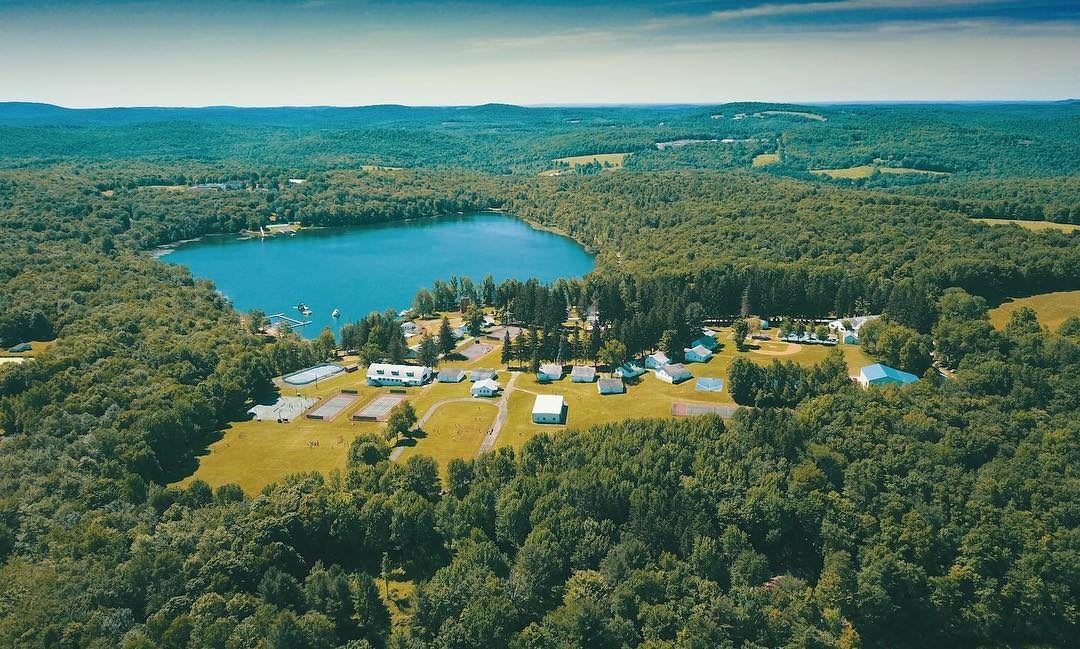
Camp Weequahic is located in the Endless Mountains, in Pennsylvania. 8 to 10 campers, who are grouped by age, live with 2 to 3 counselors in the bunks that have electricity, storage spaces, bathrooms and showers. Weequahic offers three-week and six-week options to boys and girls from 2nd-11th grades. As no phones and laptops are allowed, parents and campers are encouraged to communicate via local email system. Parents’ emails are printed out and distributed daily. For first-time campers, the director or the head counselor contact parents to update on any important details about their child’s stay in the sleepaway camp. A member of the Wayne County Camping Association and an accredited member of the American Camp Association, Weequahic ensures a fulfilling, safe and secure environment for a summer camp experience.
Excel and explore are the two core values undergoing each activity campers participate in. They explore their own talents and choose two activities daily to take part in. During their entire stay at the camp, boys and girls also master their skills in activities that are chosen before the camp starts. Special events, trips, specialty adventure camps, specialty sports camps, tournaments and intercamps are organized throughout the whole season to help campers develop skills for their entire life.
Camp season
Jun 27 to Aug 9, 2026
Program profile
5 sessions · Overnight camp
Rates & stays
Planning estimatePer-day tuition
N/A
Per-night tuition
From $309 / USD
Program-specific tuition options
This camp may offer session-specific tuition structures, including variations by length of stay, enrolment timing, or payment schedule. Families should confirm details directly with the provider.
From the Pennsylvania guide
Pennsylvania summer is warm and humid, with the heaviest air pooling in the southeastern lowlands and a real cooling as the land climbs toward the northern plateau and the western highlands, where the nights in particular ease off. Afternoon thunderstorms come through often enough to shape a camp schedule. The lakes swim cool and the mountain lakes stay bracing, so time in the water is genuine but rarely warm, and wooded ground brings the ordinary summer company of ticks and mosquitoes. The figures beside this note are air temperatures only, drawn from a single southeastern station that tends to run warmer than the upland camp country to the north and west.
Average at camp time
June
83°high
64°low
July
88°high
70°low
August
86°high
68°low
Temperature figures are drawn from NOAA/NCEI U.S. Climate Normals. Conditions vary within a state by region, elevation, and distance from the coast, so interior and higher areas generally run cooler than coastal or low-lying ones. Treat these as a general guide, not a forecast for any specific camp.
The state has hubs at either end. Philadelphia International (PHL) anchors the east and is the natural gateway to the northern overnight belt; Pittsburgh International (PIT) anchors the west and the highland camps around it. The northern mountains also sit within driving reach of the New York metropolitan airports, which is part of why the belt draws so many families from outside the state.
From either hub the pattern holds: highway for most of the way, then a drop onto narrow roads that climb and wind for the last stretch to a camp gate, and the final miles are slow ones. For most families this is a drive rather than a flight. The day camps invert all of it, sitting in the cities and suburbs where families already are, so reaching them is a local commute rather than a journey. Any pickup or transfer arrangement is a thing to settle directly with the individual camp rather than to assume.