Tristan Hewat
Director

Field Guide
A field guide to what a camp summer looks like in Maine: the forms it takes, how the landscape and climate shape it, and what it asks of a family.
Field notes
Maine runs a short, mild summer rather than a hot one. The core camp weeks are comfortably warm by day and cool by night, with the chill deepening inland and up north, so an evening campfire earns its place even in high summer. Inland lake water warms enough for real swimming by the later weeks; the Atlantic stays cold all season, which is why a coastal swim is quick and bracing. Expect black flies and mosquitoes in the early woods, fog along the shore, and long northern daylight that keeps the day going late.
camp season (June-August (representative core camp season)) runs highs of 74-80°F (23-27°C) and lows of 55-61°F (13-16°C).
Most families reach Maine camp country through Portland International Jetport (PWM), the state's main airport, down in the south. For central lake country and the gateway to the north woods, Bangor International (BGR) can sit closer to the destination, and plenty of out-of-region families instead fly into Boston (BOS) and drive up the interstate and turnpike that run the length of the state.
From any of these, camp is a drive out of the city, sometimes an easy one and sometimes long, and the pattern holds: highway gives way to secondary roads, and for the wilderness forms the secondary roads give way to gravel and then to no road at all, where contact ends by design. Coastal and day camps invert this, sitting close to where families already are. Specific pickups, shuttles, and timing are things to settle directly with the camp.
Whether your Maine summer means a mailbox and a visiting day or a child home every evening, the parent has a whole experience of it running alongside the child's. There is the drive and the handoff, the slow information loop for the send-away forms, and, in the lake towns and along the midcoast, the low hum of other camp families moving through the same weekends, filling the same inns and tables, living the same waiting.
That waiting, and the strange work of trusting a place with someone you love, is its own thing worth understanding, separate from any single camp or child. The [Parent Side Quest](/field-guide/parent-side-quest) is the part of the Field Guide about exactly that experience.
General information:
This content is for informational purposes only and reflects market observations and publicly available sources. Kampspire is an independent platform and does not provide medical, legal, psychological, safety, travel, or professional advisory services.
Safety & oversight:
Camp programs operate within local health, safety, and child-care frameworks that vary by region. Because these standards are set and enforced locally, families should consult the camp directly and relevant local authorities for the most current information on safety practices and supervision.
Our role:
Kampspire does not verify, monitor, or evaluate compliance with these standards. Program details, pricing, policies, and availability are determined by individual providers and must be confirmed directly with them.
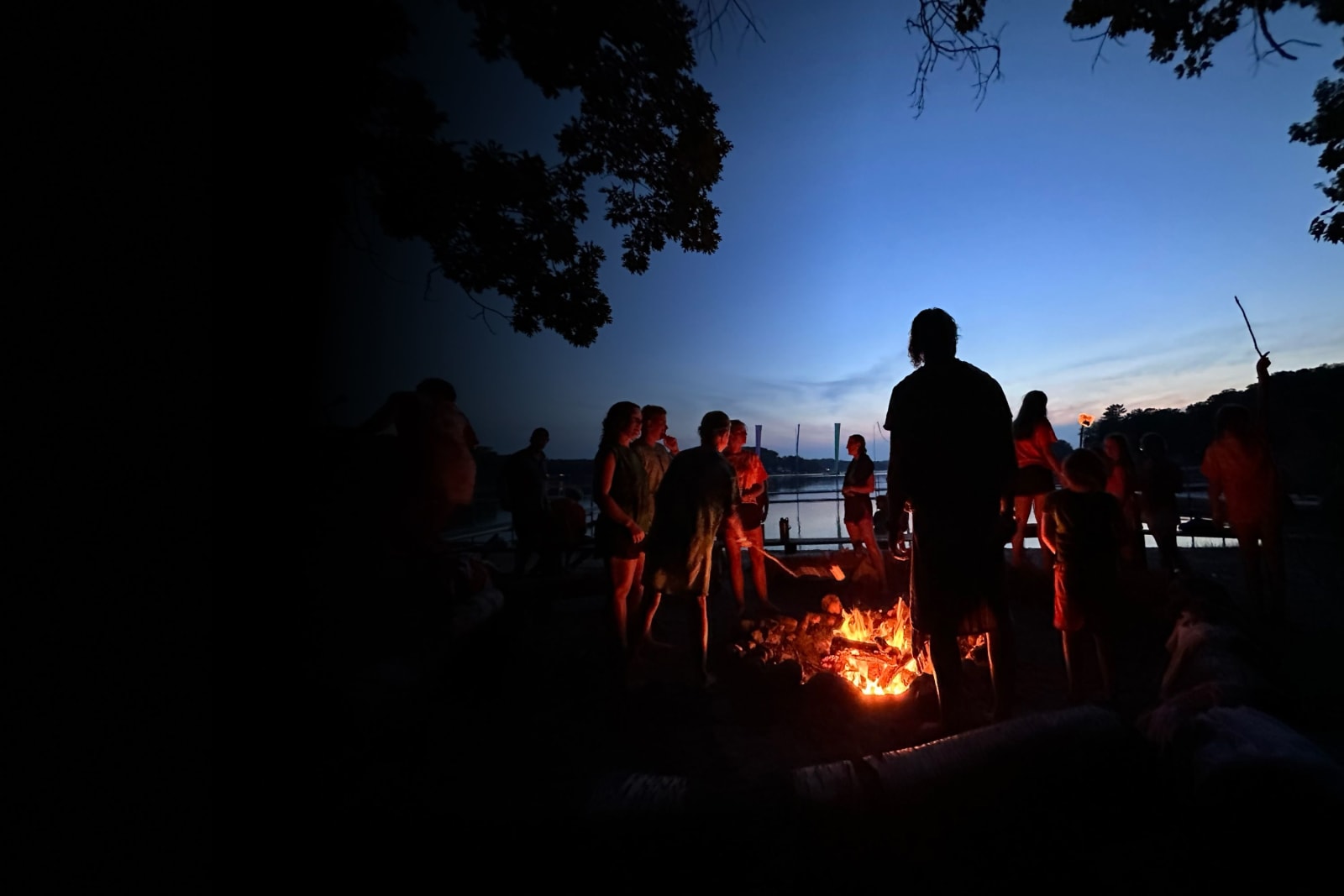
After a decade of creating unforgettable camp experiences for world-class resorts and private clubs, the team behind Camp Manitou is launching Firefolk Summer Camp: a classic sleepaway adventure camp on the shores of East Pond in Maine’s Belgrade Lakes region. Firefolk utilises the facilities of Camp Manitou and Camp Eastwood, giving campers access to a beautiful, purpose-built lakeside setting designed for true summer camp days. It’s a full week of big, outdoor camp days built around fun, silliness, friendships, and the kind of confidence kids earn by trying new things. Campers spend their days swimming and playing on the water, learning paddle sports, riding ski boats, and jumping into field and court games. There’s also plenty of time for creative projects, challenges, and laid-back moments that turn into the best memories. Evenings bring the magic: group games, stories, and campfires under the Maine sky. Firefolk runs small-group programming led by experienced, highly trained staff and lifeguards who know how to keep things safe, organised, and genuinely fun. The culture is positive and inclusive, with an emphasis on character, teamwork, and letting kids be kids. If you’re looking for a true summer camp experience in an unforgettable setting, Firefolk is it.
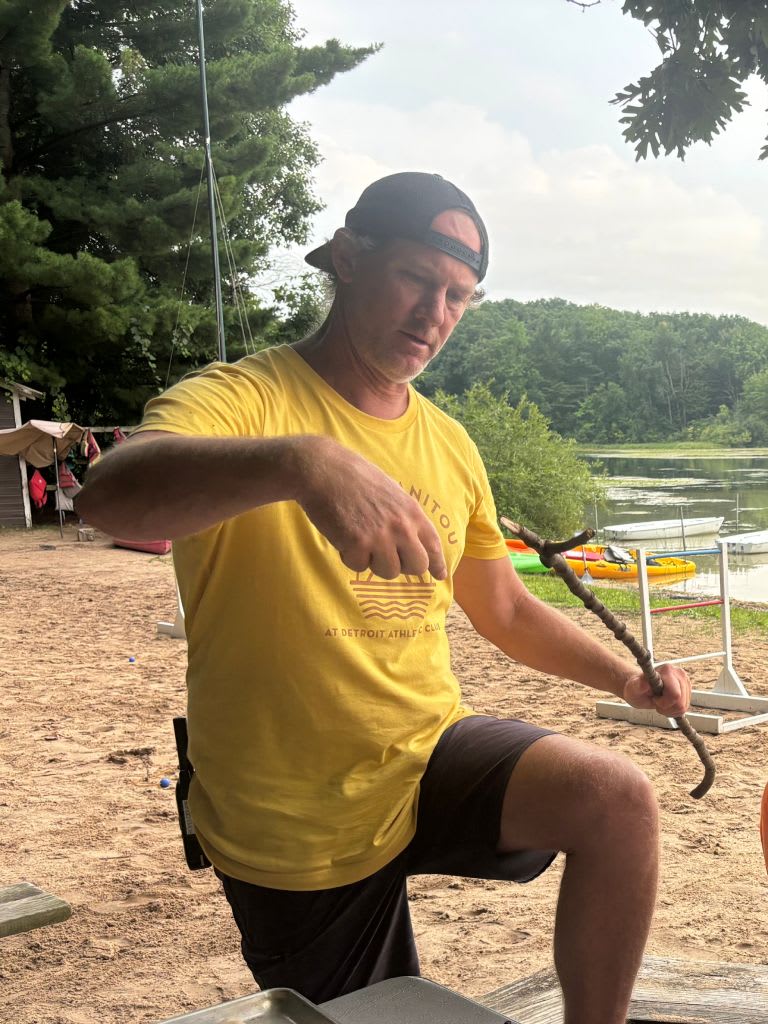
Director
Director
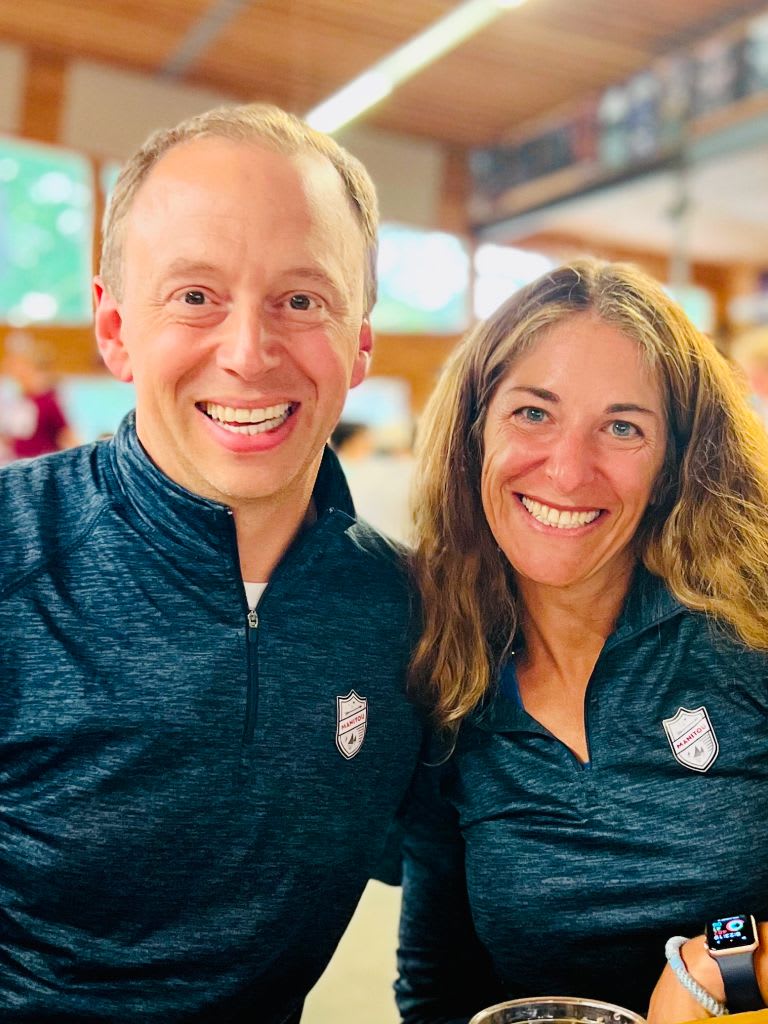
Partner, Advisor
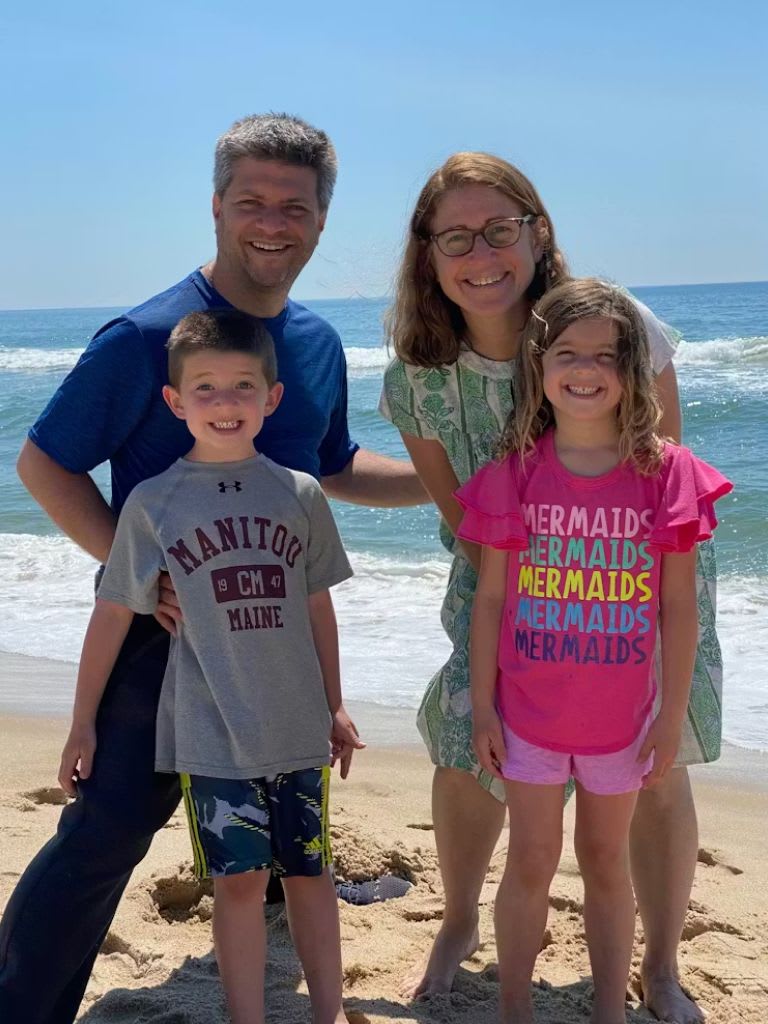
Partner, Advisor
Firefolk is built around classic summer camp adventure, with a big focus on the waterfront, team games, creative projects, and unforgettable evenings. Campers utilise the facilities of Camp Manitou and Camp Eastwood on East Pond in Maine’s Belgrade Lakes region. Waterfront and boats Swimming and swim safety, kayaking, canoeing, stand-up paddleboarding, sailing, fishing, wake surfing, and tubing behind the ski boats. Adventure and build Zipline and ropes-style challenges, raft building, fort building, and hands-on “Sneaky STEM” style projects and team challenges. Games and competitions Field and court games, all-camp activities, and signature events like Color Clash and College Clash. Creative and performance Arts and crafts plus talent show practice and performance. Evening program Campfires, stargazing and night walks, “Talk Story” reflection and journaling, special dinners, and a closing campfire to wrap the week. Programming runs in small groups, with the schedule adapting to weather and the energy of the week.
Health and safety are built into every part of the Firefolk experience. Campers are supervised by experienced, highly trained staff, including certified lifeguards for all waterfront and boating activities. On arrival, campers complete swim safety and orientation so staff can place them appropriately and set clear expectations. We use structured supervision, age-appropriate programming, and well-maintained equipment, with clear procedures for emergencies, weather, and activity-specific risk management. Families provide required health information in advance, and we keep close communication with parents if any medical or wellbeing concerns come up during the session.
Camp season
15 Aug - 21 Aug 2026
Program profile
1 session · Overnight camp
Rates & stays
Planning estimatePer-day tuition
N/A
Per-night tuition
From $498 / USD
Program-specific tuition options
This camp may offer session-specific tuition structures, including variations by length of stay, enrolment timing, or payment schedule. Families should confirm details directly with the provider.
Per-night (overnight) and per-day (day) figures are calculated from each session's standard tuition and shown as a planning reference only. We show the lowest per-night or per-day rate across this camp's sessions, so the total for a given session, and your actual tuition, may be higher depending on length of stay, age group, or enrolment timing.
This estimate helps families understand the overall scale of commitment across stay options. Final tuition, inclusions, discounts, and payment structures vary by session and are confirmed directly with the camp.