Home
    Camps in British Columbia
    Kawkaka Camp
    Camp cover
    Kawkaka Camp logo

    Kawkaka Camp

    British Columbia, Canada
    New sessions TBC
    Gender

    Coed

    Stay

    Overnight camp

    Ages

    7 - 18 yrs

    Staff ratio

    TBC

    About our camp

    Camp Kawkaka is focused on the spiritual, mental, physical and social/emotional growth of children and their families. It has a vision to “Transform Lives…Build Leaders…Impact the World…for Christ”. They are committed in sharing principles and values that will help children strengthen their faith in Christ. Kawkaka summer camp is open to children from 7 years old up to 18-year-old adults, as well as to entire families. Having its history rooted back in 1973, Kawkaka Camp has evolved greatly and now offers a full summer experience with modern facilities, buildings and cabins to make its visitors’ stay comfortable and enjoyable. Kawkaka Camp creates a safe environment for everyone to share, learn, have fun and develop faith. Through various activities campers gain leadership and interpersonal skills that they take well beyond the gates of the camp.

    Our programs

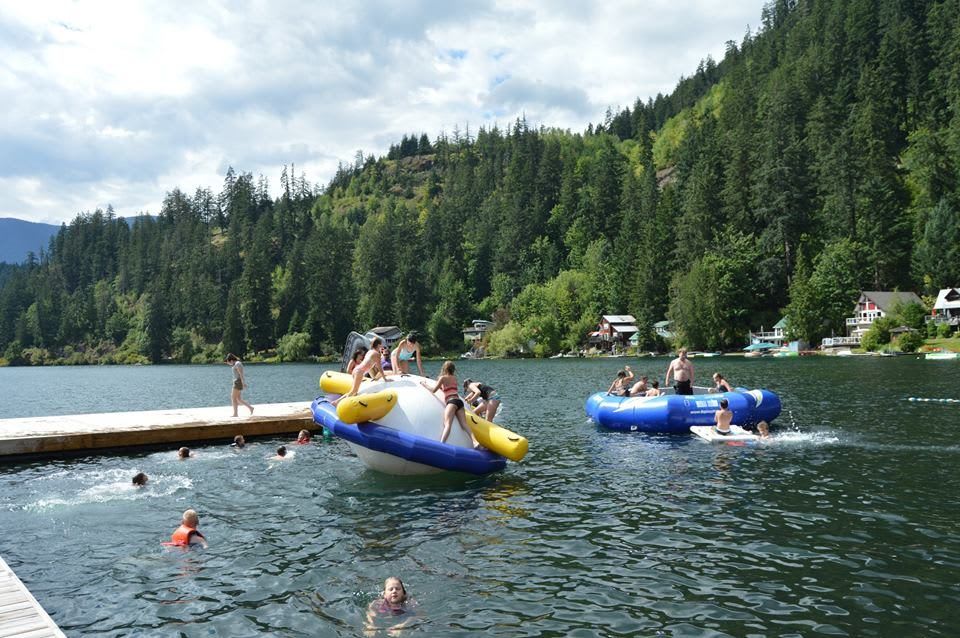
    Offering a wide range of programs for separate age groups, Kawkawa Camp makes sure everyone enjoys an activity that matches his/her ability and interests. Kids, teens, and adults can experience kayaking, swimming, surf biking, canoeing, archery, riflery, bouldering, golf, gaga, frisbee, as well as mountain and forest hiking. Group activities are a central component of the camp life that teach to work in a team, communicate effectively, and feel the joy of participation. Stargazing, birdwatching, exploring local trees and vegetation are experiences that help relax and learn amazing things about nature. Biblical teachings, chapel and campfire times are also incorporated into the summer camp program.

    We offer over 15 activities here are a few:

    ArcheryArchery
    Bird watchingBird watching
    CampfiresCampfires
    CanoeingCanoeing
    GolfGolf
    HikingHiking

    Session overview

    Camp season
    N/A
    Program profile
    0 sessions · N/A
    Rates & Stays
    Planning Estimate
    Day session
    Average daily tuition
    N/A
    Overnight session
    Average daily tuition
    N/A

    Program-specific tuition options

    This camp may offer session-specific tuition structures, including variations by length of stay, enrollment timing, or payment schedule. Families should confirm details directly with the provider.

    Daily figures are calculated from standard tuition and shown as a planning reference only.

    This estimate helps families understand the overall scale of commitment across stay options. Final tuition, inclusions, discounts, and payment structures vary by session and are confirmed directly with the camp.

    Upcoming sessions:

    This camp hasn't added any sessions yet

    Where this camp is located

    British Columbia, Canada

    66706 Kawkawa Lake RoadBritish Columbia, Canada

    Explore the British Columbia camp system

    Camps in British Columbia operate within a broader regional system shaped by geography, climate, infrastructure, and local traditions. Explore how these factors influence daily camp life across the area.

    Quick resources:
    Learn more about British Columbia

    Explore the British Columbia camp system

    Camps in British Columbia operate within a broader regional system shaped by geography, climate, infrastructure, and local traditions. Explore how these factors influence daily camp life across the area.

    The Parent Side Quest in British Columbia

    The parallel experience that unfolds outside the camp system

    The visible artifacts and environmental realities of the interior system define the boundary of the parent adjacent experience in the surrounding British Columbia landscape.

    During the operational window, towns such as Whistler, Tofino, and Nelson undergo a seasonal population shift as they become the primary waiting zones for families. In the Sea to Sky corridor, the rhythm of the side quest is dictated by the gondola operating hours and the timing of local trail openings. Parents often occupy the parallel space of coastal coffee shops or craft breweries, creating a temporary community of observers. This is marked by the slow movement of the ferry across the strait or the sight of the coastal fog lifting from the peaks. These towns serve as the staging grounds where the transition from urban routine to the camp system is processed.

    In the Okanagan, the side quest often involves the exploration of local wineries or lake front public parks. The experience is characterized by the intense heat of the valley floor and the relief of the lake water. The seasonal population shift is visible in the increased density of paddleboards and mountain bikes on vehicle racks at local trailheads. In the northern regions, the side quest is more solitary, with parents often utilizing the time for sea kayaking or remote coastal hiking. The physical reality of the side quest is one of suspension, where the parent is physically removed from the camp's operational flow but remains within the geographic orbit of the system.

    Ferry decks are crowded at noon.

    Drop off and pickup windows create a specific logistical pulse in the nearby communities. In the coastal regions, this may involve a wait at the Horseshoe Bay or Tsawwassen ferry terminals, where the vehicle staging lanes become a temporary gathering point for the camp adjacent population. These locations provide a physical space for the decompression of the family unit before and after the camp experience. The waiting rhythms are influenced by the provincial park reservation system and the seasonal availability of local amenities. This becomes visible through the concentrated presence of outdoor gear and roof racks at ferry terminal parking lots.

    Wait times are posted on screens.

    The parent adjacent layer is not a part of the camp's internal logistics, but it forms the physical context in which the camp operates. The sight of a kayak laden SUV parked at a coastal viewpoint or the sound of a floatplane taking off represents the quiet, non operational layer that surrounds the active camp system. In the interior, this surfaces as the use of regional trailheads and public boat launches as meeting points. These nodes facilitate the movement of participants into and out of the forest without disturbing the internal rhythm of the camp habitats.

    This layer acts as a logistical buffer. This is expressed through the reliance on local lodges and provincial campsites to house families during the transition windows. The economic impact of this side quest is visible in the peak summer demand for accommodation and local guide services in the surrounding mountain and coastal towns. These external systems support the camp infrastructure by providing the necessary services for the non participant population.

    The restricted access to coastal islands introduces a system load on parental proximity. Isolation surfaces as a constraint on communication rhythm, where parents must rely on scheduled boat shuttles for any physical interaction. This burden is expressed through a rigid schedule of weekend ferry bookings that define the boundary of the side quest. If a boat window is missed, the parent is effectively locked out of the geographic orbit of the camp, resulting in a forced extension of the waiting rhythm.

    ferry terminal vehicle staging.

    gondola timing synchronization.

    coastal trailhead congestion.

    The sound of a floatplane engine echoing across a fjord.

    weather patterns

    Parents often notice the rapid shift in air density as they transition from the dry Okanagan valley floor to the humid coastal mountain passes. The provincial climate is defined by the intersection of Pacific maritime inflows and the high altitude cordillera. Operational rhythms are dictated by the predictable cooling of the temperate rainforest and the intense solar peaks of the interior rain shadows.

    Thermal gradients and altitudinal cooling

    The British Columbia thermal environment is characterized by significant variance between the semi arid interior and the maritime coast. High elevation interior regions experience early onset evening cooling as shadows lengthen across narrow valley floors. Infrastructure often centers on heavy timber lodges that provide stable thermal mass during the transition from afternoon heat to subalpine night air.

    Rapid post sunset cooling

    Diurnal temperature swings

    Valley floor heat retention

    The immediate chill of mountain fog against the skin.

    Maritime humidity and precipitation cycles

    The coastal system operates under a load of sustained high humidity and rapid onset precipitation. Infrastructure profiles frequently include high volume drying rooms and expansive rain shelters to manage the saturation of textile gear. Interior regions maintain a lower moisture profile, though lakefront proximity introduces localized humidity during peak thermal windows.

    Temperate rainforest saturation

    Persistent morning coastal mist

    High volume runoff patterns

    The damp weight of a rain shell in the coastal forest.

    Solar intensity and topographical shading

    Solar exposure in the interior Okanagan reaches high intensity due to the rain shadow effect and reflected heat from silt banked benches. Coastal regions experience variable exposure moderated by cloud cover and the dense vertical biomass of the old growth canopy. Shade management is a structural requirement in the interior, expressed through the use of permanent pavilions and deep water cooling zones.

    Interior rain shadow intensity

    Topographical shadow zones

    High altitude UV transparency

    The sharp contrast between sunlit granite and deep forest shade.

    The dominant environmental constraint in British Columbia is the management of sustained maritime humidity against rapid onset alpine weather shifts.

    This content is provided for general informational purposes only and reflects market observations and publicly available sources. Kampspire is an independent information platform and does not provide medical, legal, psychological, safety, travel, or professional advisory services. Program details, supervision practices, safety protocols, pricing, availability, and policies are determined by individual providers and should be confirmed directly with them.

    travel context

    Participants typically experience the first system transition at the international arrivals terminal before moving toward the dedicated shuttle bays. The provincial travel flow is defined by the synchronization of transcontinental flight windows with the rigid departure times of the coastal ferry network. Movement from the urban core to the wilderness habitats requires a multi modal logistics chain.

    Vancouver International Airport (YVR)

    The primary air gateway serves as a high volume staging zone where international arrivals intersect with regional floatplane and shuttle connections. The terminal layout facilitates a transition from global transit to provincial corridors through clearly marked ground transportation levels and proximity to the Canada Line rapid transit link. Group assembly typically occurs in the public arrival halls before movement to the outer curb side loading zones.

    Dedicated group staging bays

    Direct rapid transit integration

    Multi level arrival flow

    The sound of the indoor waterfall in the international terminal.

    Transit corridor

    The primary travel corridor involves the Highway 99 artery and the BC Ferries terminal links at Horseshoe Bay and Tsawwassen. Regional movement is characterized by predictable bottlenecks at bridge crossings and ferry staging lanes where vehicle congestion peaks during weekend transition windows. Island based programs require a secondary maritime transfer where group manifests are synchronized with vessel capacity and tidal windows.

    Ferry terminal staging lanes

    Mountain corridor transit friction

    The vibration of the ferry ramp under a shuttle bus.

    The dominant travel friction in British Columbia is the management of multi modal transport synchronization between airport arrivals and ferry departure windows.

    This content is provided for general informational purposes only and reflects market observations and publicly available sources. Kampspire is an independent information platform and does not provide medical, legal, psychological, safety, travel, or professional advisory services. Program details, supervision practices, safety protocols, pricing, availability, and policies are determined by individual providers and should be confirmed directly with them.

    Disclaimer: This content is for general informational purposes only. Kampspire does not verify provider compliance, safety standards, or site-wide data accuracy; all details and policies must be confirmed directly with the source. Refer to ourFull Terms.

    Kampspire Logo

    Established 2011

    General

    • Home
    • Add My Camp
    • Help

    Popular locations

    • New York
    • Pennsylvania
    • Maine
    • California
    • Alberta

    Understand camp

    • Camp Ready
    • Field Guide
    • Global camp system
    • Camp Archetypes
    • Archetype home
    • Civic integration hubs
    • Discovery hubs
    • Immersive legacy habitats
    • Mastery foundations

    Explore camp systems

    USA

    • New York
    • Pennsylvania
    • Maine
    • California
    • Wisconsin
    • North Carolina
    • New Hampshire
    • Michigan
    • Colorado
    • Massachusetts
    • View all

    Canada

    • Ontario
    • Quebec
    • British Columbia
    • Alberta
    • Manitoba
    • Saskatchewan
    • Nova Scotia
    • New Brunswick
    • Newfoundland
    • Prince Edward Island
    • View all

    © 2026 ®

    ·
    Terms ·Privacy ·Sitemap