
Get in front of families planning their summer. It's free to add your camp.
General information. Details on this profile are supplied by the camp or drawn from public sources, and are not verified by Kampspire. Kampspire does not provide medical, legal, psychological, safety, travel or other professional advice.
Safety and oversight. Camps operate under local health, safety and child-care rules that vary by region. Check safety practices, supervision, staffing and accreditation directly with the camp and the relevant local authority.
Our role. Kampspire is an independent platform. We do not inspect, accredit, supervise or endorse camps, or monitor their compliance with these rules. Dates, prices, policies and availability are set by each camp; confirm them with the camp before booking.
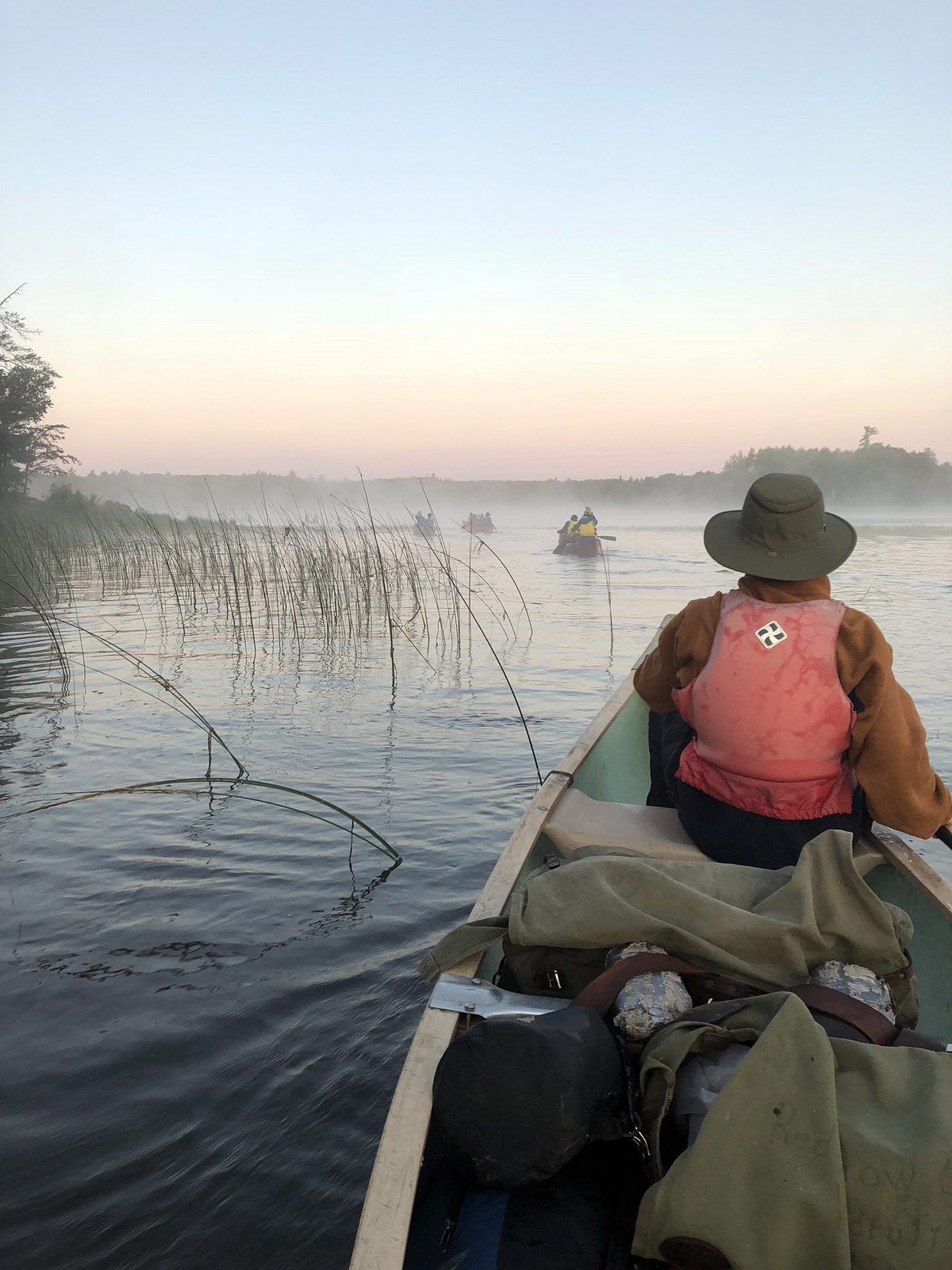
Red Arrow camp is the summer camp that time forgot. Founded in 1920 and is located on the shores of Trout Lake in Northern Wisconsin. Eight boys and two counselors live in rustic cabins, totaling twelve in number. Built nearly a century ago, they are in excellent condition and have electricity and windows for natural light. The camp combines decades of history with modern facilities – a soccer field, tennis and basketball courts, a riding ring, a horse stable, archery and rifle ranges, as well as canoes, kayaks, sails and various types of boats for water activities. Also important to Red Arrow is it's appreciation of the Arts with it's boys choir, camp play, and woodworking classes. The staff plays an integral role in creating success stories for Red Arrow Camp. They are counselors, teachers and instructors – all of them serving as role models for campers. Each summer 65-75% of the staff comes back to foster leadership, dedication and discipline and be part of the Red Arrow family.
It is during the offered classes, activities, and trips that resilience, teamwork, strong character, and appreciation for nature are born and nurtured. Boys take part in trips with their cabin mates and the two counselors. Canoe and hiking trips, lasting for 2 days and longer, provide exciting challenges and an opportunity to learn how to face & fight them. Specialties at Red Arrow are the "Salad Bowl" legendary flag football game, Camp Olympics, Aquagatta, the Carnival, the Fourth of July and more.
Camp season
Jun 17 to Aug 5, 2026
Program profile
1 session · Overnight camp
Rates & stays
Planning estimatePer-day tuition
N/A
Per-night tuition
From $196 / USD
Program-specific tuition options
This camp may offer session-specific tuition structures, including variations by length of stay, enrolment timing, or payment schedule. Families should confirm details directly with the provider.
From the Wisconsin guide
Summer temperatures shift as you move across Wisconsin. The southeast, where the long-run figures here are measured, runs warm and humid, while the northern lake country where many residential camps sit runs cooler than those numbers suggest. Afternoons can build into thunderstorms, early summer near the lakes brings mosquitoes and black flies, and the water itself stays cold and warms slowly, so swimming tends to be bracing and the season for it is short. Long daylight and a quick turn at either edge of summer round out the shape of a Wisconsin camp day.
Average at camp time
June
77°high
58°low
July
82°high
65°low
August
80°high
64°low
Temperature figures are drawn from NOAA/NCEI U.S. Climate Normals. Conditions vary within a state by region, elevation, and distance from the coast, so interior and higher areas generally run cooler than coastal or low-lying ones. Treat these as a general guide, not a forecast for any specific camp.
For most out-of-state families the way in is Milwaukee Mitchell International Airport (MKE) in the southeast, the state's busiest, with Dane County Regional Airport (MSN) at Madison a common second door for anything in the south-central part of the state. The Northwoods has its own small regional airport at Rhinelander (RHI) with limited connecting service, but many families still fly into the larger southern hubs and drive the rest.
That drive is part of the northern-camp reality. From the southern hubs the route runs up the interstate corridor and then onto a north-running highway into the lake country before shifting to county and lakeside roads for the final stretch, and it is measured in hours, not minutes, with the last part on secondary and sometimes gravel roads. Day and town-run camps invert all of this: the camp is where a family already lives, so there is no trip to speak of. Transport, pickup, and any shuttle arrangements are best confirmed directly with the camp rather than assumed.