The summer camp system in Arkansas.

A structural map of how geography, infrastructure, and routines shape camp life.

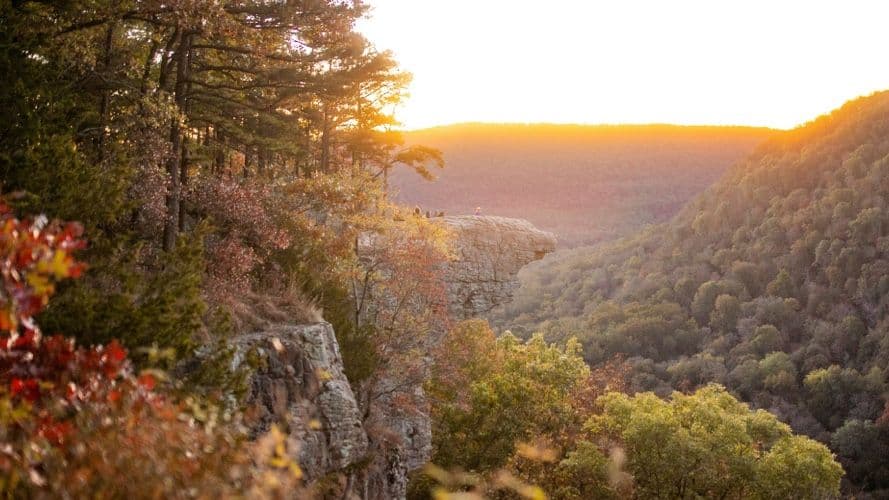
Arkansas landscape

The Arkansas camp system is structurally anchored in the dual topographies of the Ozark and Ouachita Mountain ranges, utilizing high-density vertical relief and limestone river basins. Infrastructure is governed by the humidity of the Mississippi Alluvial Plain and the physical constraints of dense hardwood forest canopies. The system manages the physical friction of rocky karst terrain against the rapid hydraulic shifts of spring-fed waterways.

The primary logistical tension in Arkansas is the management of high-moisture thermal loads against the physical friction of steep, rocky karst terrain and the rapid hydraulic shifts of spring-fed waterways.

The geography of summer.

Arkansas regions.

The geography of the Arkansas summer is defined by the sharp transition from the flat delta silts of the east to the high friction limestone ridges of the Ozark Plateau and Ouachita Mountains.

In the northwestern quadrant, the terrain is marked by deep hollows where the cold water discharge of limestone aquifers creates a localized thermal sink. These regions function as primary hubs for immersive legacy habitats because the natural cooling effect of the Buffalo and White River basins mitigates the external heat load. The ground here is composed of weathered chert and flint, a geological reality that surfaces as heavy mechanical wear on footwear and specialized trail hardware. This high friction environment requires participants to navigate constant vertical shifts, where the density of the hardwood canopy limits air movement and traps moisture near the forest floor.

Moving into the central river valley, the geography shifts into a lower altitude heat trap where the humidity from the Arkansas River basin increases the metabolic demand on all outdoor operations.

Shadow load in the delta regions becomes visible through the heavy investment in gravel based drainage hardware. The soil in these eastern lowlands is a dense alluvial clay that retains water for extended periods, making campus mobility dependent on artificial drainage systems. Without these elevated paths, the transition from indoor to outdoor spaces becomes a high friction event as saturated silt clings to every surface. The physical separation of the state into the highlands and the delta creates a system where transit weight is concentrated along the winding mountain passes of the Ozarks. These secondary roads are vulnerable to rapid runoff during afternoon storm cycles, which surfaces as a constraint on arrival and departure schedules.

Fog hangs low in the hollows until mid-morning.

In the Ouachita range to the south, the geological structure follows an east-west ridge orientation that dictates the flow of transit along the Highway 7 corridor. This linear geography creates a natural containment system where camps are nestled between steep sandstone ridges, limiting the accessible perimeter to the valley floor. The physical barrier of these mountains necessitates a structural focus on ridge and valley navigation, where the constant change in elevation increases the caloric burn of simple transit. This terrain load becomes visible through the high demand for hydration infrastructure at every elevation change, as the combination of steep grades and high humidity accelerates physical fatigue. The karst topography of the highlands, characterized by sinkholes and limestone caves, requires the physical installation of fencing and safety artifacts to manage boundary integrity. These natural features serve as both a thermal refuge and a significant safety constraint, as the temperature difference between a cave entrance and the forest canopy can be extreme.

Observed system features:

high friction chert trail surfaces.
limestone aquifer cooling zones.
alluvial clay drainage systems.

the smell of damp cedar in a shaded hollow.

The economics of camping.

Arkansas infrastructure density.

Building on the geographic distribution of the highlands, the economic density of Arkansas camping is concentrated in specialized infrastructure clusters.

Civic integration hubs in the Little Rock and Fayetteville metros utilize public greenways and municipal facilities that are integrated into the state trail networks. These hubs benefit from the economic density of the regional business corridors, where physical hardware is often modern and highly maintained. The proximity to high density population centers allows these programs to function as daily continuity loops without the need for isolated residential infrastructure. This surfaces as a reduction in transit weight, as participants utilize the existing municipal grid for daily movement. The availability of paved trail systems and public park land provides a low friction environment for group transit compared to the rugged mountain interiors.

Discovery hubs leverage the specialized laboratory hardware and climate controlled residential halls of collegiate ecosystems.

These programs are predominantly located near the University of Arkansas or Hendrix College, where the institutional footprint provides high density cooling zones and tech integrated learning spaces. The economic advantage of these hubs becomes visible through the mitigation of the external humidity load, as indoor activities are housed in heavy duty masonry buildings with industrial grade air filtration. Mastery foundations in the state are increasingly anchored to the specialized outdoor economy of the northwest region, utilizing professional grade hardware for mountain biking and river navigation. The concentration of asset density in these foundations shows up in the presence of suspension tuned bikes and high density polyethylene canoes that can withstand the abrasive limestone riverbeds. This hardware focus automates technical safety by providing equipment that matches the high friction requirements of the terrain.

Immersive legacy habitats represent the primary land use model in the Ozark and Ouachita ranges.

These facilities are defined by multi-generational stone and timber architecture that utilizes local materials to resist the persistent moisture of the Arkansas woods. The economic footprint of these habitats is visible in the heavy investment in moisture management hardware, such as commercial grade dehumidifiers and specialized equipment drying rooms. The high acreage of these sites allows for a fully contained daily rhythm, where the landscape itself provides the primary educational surface. The cost of maintaining these high acreage systems surfaces as a structural constraint on staffing density, as the physical distance between program areas requires a higher ratio of personnel to manage group transitions. The presence of natural spring access remains the primary economic anchor for these camps, as it provides a stable and free hydraulic system for temperature regulation.

Stone walls remain cool to the touch all afternoon.

Asset density in Arkansas is highest in the highland corridors where the combination of favorable thermal zones and rugged topography creates a high demand environment. The physical difficulty of building on steep limestone grades limits the expansion of infrastructure, making existing level ground a premium asset. This geographic scarcity is expressed through the clustered design of camp buildings, where residential and dining facilities are packed into narrow valley floors or perched on stable bluff tops. The structural reliance on deep well water access in the mountains creates a resource rigidity where any grid failure impacts the entire hydraulic stability of the camp. The sight of moss covered stone and the use of heavy timber beams are consistent markers of an infrastructure designed for durability in a high humidity landscape.

Observed system features:

high density moisture management hardware.
collegiate laboratory infrastructure.
multi-generational stone and timber architecture.

the hum of a commercial grade kitchen fan.

Infrastructure and environment.

Visible oversight in Arkansas.

Transitioning from economic density to physical oversight, the Arkansas system relies on specific hardware to manage environmental friction.

Roped boundaries and buddy boards are the primary safety artifacts at riverfronts, where spring fed water remains at a constant cold temperature. This thermal reality necessitates oversight for cold water shock, even when air temperatures are high. In the dense forest interior, the use of color coded trail markers and physical check in stations provides a hardware based approach to group tracking. Visible oversight also includes pest management hardware, such as screened porches and high frequency perimeter maintenance, to manage the biological load of ticks and chiggers. Human ROI becomes visible when high quality hydration hardware correlates with steadier afternoon energy levels and a reduction in heat related fatigue across the population.

Weather oversight is marked by the presence of lightning detection strobes and hardened storm shelters.

These physical structures are critical in a state with high storm frequency and provide a visual signal of operational security. The transition of the population from open fields to reinforced masonry shelters is a programmed routine that is triggered by audible sirens or visual signals. In mountain camps, oversight includes terrain anchors such as mandatory lugged sole footwear and physical barriers at bluff edges to manage the risk of the karst landscape. These artifacts are not merely decorative but serve as physical regulators of movement in a high risk environment. Transition friction is managed through the use of covered breezeways and dry zones where gear is stored away from the saturated ground, preventing the breakdown of equipment due to persistent moisture.

The dining hall floor stays dry despite the rain.

In discovery hubs, oversight is visible in the clean room hardware and climate controlled environments that isolate participants from the intense pollen and humidity of the exterior. The physical oversight of the system also includes hydration stations and timed water breaks, a hardware based approach to maintaining metabolic stability in the deep south climate. The alignment of camp perimeters with natural river bends or steep ridges creates a landscape where containment is intuitive and geographically enforced. This surfaces as a reduction in the need for artificial fencing, as the terrain itself provides a natural boundary. The presence of automated weather stations and bluff side fencing are the primary physical regulators of safety in the Arkansas highlands, where the messy truth of sudden weather shifts requires immediate system response.

Oversight routines are often synchronized with the sounding of hand rung iron bells.

These acoustic signals cut through the dense forest canopy and provide a non-electronic method of communication that is resistant to the humidity that often degrades electrical systems. The use of heavy duty fans in common areas and the strategic placement of shade structures are visible artifacts of a system designed to manage thermal loads. Human ROI is expressed through the observed reduction in emotional dips when the physical environment is actively cooled through these infrastructure interventions. The readiness of a facility is signaled by the integrity of its waterfront PFD stations and the clear marking of storm rally points. Every physical artifact, from the gravel on the paths to the screen doors on the cabins, serves as a regulator for the high moisture environment.

Observed system features:

spring fed waterfront buddy boards.
hardened storm shelter signage.
high frequency pest management perimeters.

the sound of a screen door slamming against a wood frame.

The Parent Side Quest.

The parallel experience that unfolds outside the camp system.

While internal oversight systems manage the population, a parallel experience unfolds in the natural state tourism corridors surrounding the primary camp zones.

During arrival and departure windows, the towns of Eureka Springs, Hot Springs, and Mountain Home experience a surge of parents who occupy a world of mineral baths and trout fishing. This waiting rhythm is characterized by the Ozark slow down, where the pace of life is dictated by winding mountain roads and the schedule of local river outfitters. Parents often occupy historic stone hotels or lakeside rentals where the sound of the wind through the hardwoods provides a sensory mirror to the camp environment. The physical distance between urban hubs and mountain camps often necessitates a multi-day stay in regional lodges, where the grit of the road is washed off in a mountain stream or a hotel pool. This layer operates on a timeline of river time, emphasizing the water driven nature of the Arkansas summer.

Shadow load for parents surfaces as the necessity for flexible travel plans due to the unpredictable nature of mountain transit.

The towns of Harrison and Fayetteville serve as the primary gateways and logistical hubs for those entering the camp system. In the south, the experience may be centered around the timberlands of the Gulf Coastal Plain, where the smell of pine and the heat are pervasive. This external layer is not an operational extension but a parallel vacation economy that exists in the same high summer window. Parents navigating this layer encounter the same delta heat if traveling from the east, making the arrival in the mountains a significant physical transition. The rhythm of this quest is dictated by the availability of shade and the seasonal flow of the rivers.

Local diners fill up before the noon heat hits.

The sensory experience of this layer includes the constant sight of river decals and the tactile feel of damp, heavy air. Parents waiting in Eureka Springs navigate steep limestone streets that mimic the karst terrain of the camps, creating a shared physical reality with their children. This waiting period allows for a gradual acclimation to the regional climate and topography. The presence of art galleries and craft shops in these heritage towns provides a cultural backdrop to the geographic transition. The parent side quest is anchored in the same high elevation cooling zones that define the camp system, creating a geographic mirror of the summer migration. The waiting rhythm ends with the return to the high friction mountain passes for pickup, closing the loop on the seasonal circuit.

Observed system features:

heritage town hospitality hubs.
river outfitter schedule integration.
mineral bath thermal regulation.

the smell of sulfur near historic bathhouses.

Operational readiness.

Confidence anchors and transition friction.

Building on the external waiting rhythms of parents, operational readiness within the camps is anchored in hydraulic reliability and moisture control.

Confidence anchors, such as the morning river level check and the dry gear ritual, provide the structural stability required for the system to function in a high humidity environment. These routines are designed to automate safety in a landscape where the messy truth includes persistent insects and sudden flash flood risks. Transition friction is highest during the initial entry into the mountain hollows, as participants move from the high comfort urban grid into the sensory intensity of the Ozark woods. The physical weight of wet cotton and the presence of chiggers are constant loads on the system energy that must be managed through ritualized gear maintenance. Readiness is physically manifested in the integrity of the dry room hardware and the availability of high traction footwear.

Morning dew lingers on every porch railing.

The cultural rhythm of the state, which values river resilience and mountain endurance, is reflected in the outdoor centric programming despite the humidity. Transition friction is managed through climate anchors such as mandatory shade periods and the use of spring water for temperature regulation. The sight of a well organized canoe rack or a functional lightning rod provides a physical signal of operational security. Shadow load in this system includes the buffer of extra dry clothes and waterproofing hardware required to prevent environmental breakdown during afternoon storms. The readiness of a facility is visible in its wet weather state, specifically the presence of functional gravel paths and the lack of standing water near cabins.

Operational stability depends on the alignment of human routine with the uncompromising moisture of the Arkansas highlands.

The consistent sound of the mess hall bell serves as a temporal anchor, grounding the population in a predictable schedule that overrides the sensory disorientation of the deep woods. In mastery foundations, readiness is signaled by the calibrated tension of bike chains and the airtight seals on river bags. Human ROI surfaces as a more resilient population that has adapted to the physical friction of the karst terrain and the thermal load of the river valley. The final signal of readiness is the presence of clear storm rally points and the visible maintenance of the forest perimeter. These anchors ensure that the system can absorb the sudden shifts in weather and terrain that define the Arkansas summer experience.

Observed system features:

ritualized dry gear maintenance.
morning river level verification.
acoustic schedule signaling.

the tactile grit of sand on a damp towel.

Kampspire Field Guide

A shared way to understand camp environments

The Field Guide sits in the space between research and arrival, helping you understand how camp environments work before you experience them.

Disclaimer & Safety

General information:

This content is for informational purposes only and reflects market observations and publicly available sources. Kampspire is an independent platform and does not provide medical, legal, psychological, safety, travel, or professional advisory services.

Safety & oversight:

Camp programs operate within local health, safety, and child-care frameworks that vary by region. Because these standards are set and enforced locally, families should consult the camp directly and relevant local authorities for the most current information on safety practices and supervision.

Our role:

Kampspire does not verify, monitor, or evaluate compliance with these standards. Program details, pricing, policies, and availability are determined by individual providers and must be confirmed directly with them.