The summer camp system in Texas.

A structural map of how geography, infrastructure, and routines shape camp life.

Texas landscape

The Texas camp system is physically anchored in the Edwards Plateau and the high humidity maritime corridors of the Gulf Coast. Infrastructure is shaped by intense thermal mass management and rapid onset hydraulic volatility within newly mapped flood zones. Operational stability depends on the reconciliation of extreme heat cycles with the technical load of navigating remote scrublands.

The primary logistical tension in Texas is the reconciliation of extreme thermal mass management and rapid onset hydraulic volatility against the physical load of navigating remote, high UV scrublands and newly mapped flood zones.

The geography of summer.

Texas regions.

The physical footprint of the Texas camp system begins with the limestone foundations of the Hill Country and extends into the arid basins of the west.

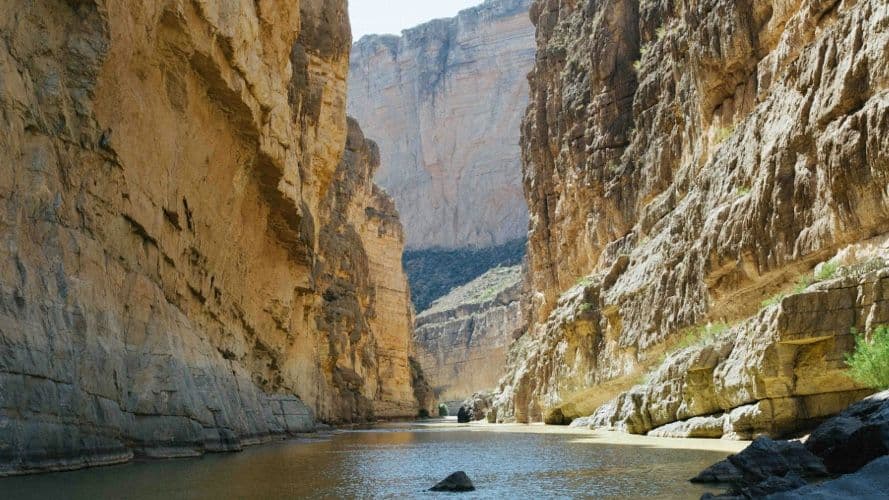
Geography in the Edwards Plateau surfaces as a network of stony hills and deeply incised canyons where cedar and live oak provide the primary canopy cover. This region acts as a high density structural refuge where spring fed rivers like the Guadalupe and Frio create essential cooling corridors for participants. The limestone substrate acts as a massive thermal battery, absorbing solar radiation throughout the day and releasing it slowly during the evening hours. This environmental load becomes visible through the necessity of heavy masonry construction and the strategic placement of cabins to capture prevailing southern breezes.

Moving toward the eastern border, the Piney Woods introduce a high humidity environment dominated by loblolly pines and dense hardwood thickets. The air stays heavy even in shade.

This shift in vegetation is expressed through a significant increase in atmospheric moisture which places a unique stress on physical equipment and textiles. The load of rot and high humidity friction is carried by infrastructure that must prioritize ventilation over insulation. In these forested zones, the structural map is defined by low relief wetlands and bayous where standing water necessitates elevated boardwalks and screened enclosures to manage a high seasonal pest load. This moisture load resolves into a downstream expression of increased packing friction as participants must account for slow drying fabrics.

In the North Central Plains, the landscape transitions into rolling prairies and cross timbers where the horizon expands significantly. This geographic openness is signaled by the prevalence of large scale shade structures and pavilions designed to mitigate direct UV exposure. The lack of natural topographic shielding creates a high wind load during afternoon convection cycles, requiring anchors for all temporary hardware and equipment. Transit weight in this region is influenced by the sheer distance between resource hubs, making fuel and water logistics a primary structural constraint.

Western regions present a high desert reality where mesas and steep walled canyons dictate movement patterns. The Mountains and Basins area shows up in the form of rugged terrain where elevation provides the only respite from the basin floor heat. Soil composition shifts to dry, alkaline earth that generates significant airborne dust during periods of high activity. The physical load of navigating these basins is marked by a strict reliance on topographic maps and the seasonal availability of remote springs. This terrain load becomes visible through a significant constraint on transit weight as teams must carry high volumes of potable water.

Coastal regions are defined by salt marshes and barrier islands where maritime physics dominate the operational environment. High salinity levels in the air act as a corrosive force on all metallic hardware, from fence latches to kitchen equipment. This coastal load becomes visible through the routine application of protective coatings and the use of treated timbers for all ground contact structures. The hydraulic volatility of the Gulf Coast is expressed through a constant monitoring of tropical weather patterns and the maintenance of elevated storm surge perimeters.

Observed system features:

limestone canyon topography.
cedar and live oak canopy cover.
elevated boardwalk networks.
high salinity maritime hardware coatings.
topographic spring mapping.

the scent of sun-baked cedar bark and dry limestone dust..

The economics of camping.

Texas infrastructure density.

The economic distribution of Texas camps is physically expressed through high density clusters located along the Balcones Escarpment and within the suburban perimeters of the Texas Triangle.

Civic Integration Hubs utilize municipal parks and local community facilities to provide continuity within the urban grid. These programs show up in the landscape through the use of shared public pavilions, local aquatic centers, and repurposed school buildings. The economic load is carried by the integration of seasonal programming into existing city infrastructure which minimizes isolation and emphasizes high frequency local access. This model is signaled by the presence of temporary signage and the daily movement of participants through established civic corridors. Grid fragility in these urban zones surfaces as a constraint on schedule rigidity when municipal power loads peak during heat waves.

Discovery Hubs are embedded within the institutional ecosystems of major universities and research campuses. These environments are marked by a high density of professional grade hardware including laboratories, athletic complexes, and digital media suites. The structural weight of these hubs is held in the use of high speed fiber optic networks and climate controlled collegiate dormitories. This infrastructure allows for a heavy focus on technical skill acquisition without the logistical burden of maintaining remote acreage. Redundant broadband requirements are expressed through the visible installation of secondary satellite arrays on campus rooftops.

Immersive Legacy Habitats represent the highest density of private physical assets, often spanning hundreds of acres of dedicated Hill Country or Piney Woods terrain. These sites are expressed through Texas Vernacular architecture featuring heavy limestone walls, deep porches, and corrugated metal roofing designed for durability and thermal stability. The economic load surfaces as a permanent maintenance requirement for private road networks and independent water systems. Road noise drops quickly after the last town.

Mastery Foundations are characterized by the presence of specialized, high cost infrastructure such as Olympic specification aquatic centers or professional grade equestrian stables. These campuses are signaled by the use of specialized hardware like Kevlar river craft and climate controlled tack rooms. The staffing density in these environments is often high to manage the technical safety requirements of intensive skill training. This asset density is carried by the physical integrity of specialized arenas and the maintenance of high volume filtration systems for aquatic facilities. The physical burden of maintaining these specialized surfaces surfaces as a constraint on resource rigidity.

Economic force in the Texas system is increasingly visible through a regulatory premium and the necessity of thermal hardening for all physical structures. The shift toward mandated storm shelters and redundant emergency communication arrays creates a significant structural baseline for all archetypes. This load is expressed through the installation of industrial grade cooling systems and the expansion of shaded surface area across all high activity zones. The presence of high volume ice production hardware and insulated water distribution systems is a universal economic artifact in this environment. This thermal load becomes visible through a heavy constraint on communication rhythm as digital hardware requires protection from ambient heat.

Observed system features:

limestone masonry structures.
high-volume ice production hardware.
private road network maintenance.
secondary satellite communication arrays.
insulated water distribution pipes.

the rhythmic hum of industrial-grade cooling fans..

Infrastructure and environment.

Visible oversight in Texas.

Visible oversight in the Texas system is anchored in the physical artifacts of the Texas Youth Camp Safety and Health Act and regional environmental mandates.

Operational safety is signaled by the public display of current health department permits and the visible presence of certified lifeguard stands at all aquatic interfaces. These artifacts serve as primary indicators of a system that adheres to established public facing information sources. The oversight load is carried by the daily inspection of food service temperatures and the documentation of water quality in spring fed pools. Mud tracks travel indoors.

Environmental oversight becomes visible through the installation of river gauge telemetry and hydrological monitoring systems along flash flood corridors. These hardware arrays provide real time data on water levels, allowing for the automated activation of early warning sirens. This infrastructure load is expressed through the maintenance of clear evacuation routes and the presence of high visibility signage directing participants toward high ground. Human ROI is observed in the correlation between robust hydration infrastructure and the maintenance of physical endurance during afternoon heat peaks. This hydraulic volatility surfaces as a significant constraint on schedule rigidity when river access is restricted during rain events.

Thermal oversight is marked by the presence of permanent shade pavilions and the use of heat index monitoring stations across the campus. These physical signals of readiness are expressed through the implementation of mandatory cooling breaks and the use of misting systems in high traffic areas. The oversight load is carried by the structural integrity of storm shelters that meet specific wind resistance standards. This physical hardening surfaces as a critical component of the system's ability to withstand rapid onset weather volatility. The heat load becomes visible through a constraint on transit weight as teams must prioritize cooling gear over traditional supplies.

Health and wellness infrastructure is signaled by the presence of dedicated infirmaries equipped with climate controlled medication storage and isolation spaces. The use of electronic health record systems and the visible presence of first aid kits at every activity station provides a structural anchor for physical safety. This load is expressed through the routine screening of participants for heat related symptoms and the maintenance of sterile surfaces in high density dining halls. Human ROI is visible in the steadier energy levels observed when cooling protocols are integrated into the daily rhythm. Resource rigidity is marked by the fixed inventory of medical supplies required for heat related response.

Fire safety oversight is expressed through the maintenance of defensible space perimeters and the visible presence of fire extinguishers and hydrants. In the arid regions of the west, this load is carried by the use of spark arrestors on all equipment and the strict enforcement of burn bans. The physical artifact of a well maintained fire break provides a high visibility signal of operational security. Oversight in these zones is marked by the coordination with local emergency services and the frequent testing of siren systems. This risk load surfaces as a constraint on communication rhythm when fire danger levels dictate constant radio updates.

Observed system features:

river gauge telemetry arrays.
automated early warning sirens.
heat index monitoring stations.
defensible space fire breaks.
climate-controlled infirmary storage.

the cold shock of a spring-fed river entry..

The Parent Side Quest.

The parallel experience that unfolds outside the camp system.

The parent adjacent layer in Texas is defined by a waiting rhythm that unfolds in the historic hospitality corridors of the Hill Country and the Gulf Coast.

During session transitions, towns like Fredericksburg and Wimberley experience a surge in occupancy as parents move into the parallel world of German heritage wineries and riverfront boutiques. This experience is marked by a shift from the high speed urban grid of Dallas or Houston to the slower pace of the Edwards Plateau. The atmospheric load of the waiting period is carried by the occupation of historic inns and limestone bed and breakfasts. Parents often congregate in local biergartens and BBQ pits where the smell of mesquite smoke provides a sensory backdrop to the transition. This local transit load becomes visible through the congestion of rural two lane roads during drop off windows.

Coastal waiting rhythms are expressed through the occupation of beach rentals and charter fishing docks in areas like Galveston or Port Aransas. This layer is signaled by the presence of high density tourist traffic and the seasonal demand for maritime leisure. The waiting load is carried by the timing of ferry crossings and the availability of waterfront dining. In these zones, the parent experience is dictated by the rhythm of the tides and the arrival of Gulf storms. This environmental load is expressed through the sudden constraint on schedule rigidity when ferry operations are suspended for weather.

In the western regions, the side quest surfaces in the remote landscapes of the Big Bend and the Davis Mountains. This experience is marked by a significant departure from civic amenities and a reliance on stargazing and desert hiking. The logistical load is carried by the limited availability of fuel and water in the vast distances between desert towns. Parents in this region occupy high desert lodges where the silence of the basin provides a stark contrast to the activity of the camp environment. Distance load surfaces as a constraint on communication rhythm as cellular service remains inconsistent in deep basins.

Urban waiting cycles show up in the cultural districts of Austin and San Antonio where parents utilize museums and historical sites to bridge the session window. This layer is signaled by the presence of boutique hotels and high end retail corridors. The experience is expressed through the use of urban park systems and river walk navigation. Human ROI in the parent layer is observed in the gradual decompression that occurs when moving from the professional grid into the regional leisure economy.

This parallel economy is held in the seasonal peaks of local festivals and rodeos that often coincide with camp drop off and pick up windows. The physical load of the side quest is marked by the navigation of congested highway corridors like I-10 and I-35. The transition friction for parents is carried by the shift from active oversight to a passive waiting state. This rhythm is signaled by the sudden influx of out of state license plates in small town town squares. Resource rigidity becomes visible through the peak demand for specialized hospitality services during summer transition cycles.

Observed system features:

historic limestone inn occupancy.
mesquite smoke sensory markers.
regional festival traffic peaks.
ferry crossing wait times.
interstate highway congestion patterns.

the smell of slow-smoked brisket in a shaded biergarten..

Operational readiness.

Confidence anchors and transition friction.

Operational readiness in Texas is anchored in the automation of safety routines that manage the physical load of the environment.

Confidence anchors show up in the morning sky scan briefing and the consistent ritual of the water bottle check. These routines are expressed through the rhythmic sound of the session bell and the visual alignment of gear in the tack room or boat house. This structural stability is carried by the physical integrity of hydration systems and the availability of high quality shade. The air stays heavy even in shade. Transition friction is most visible during the initial move from the air conditioned urban environment into the sensory intensity of a rustic cedar cabin. This thermal transition load becomes visible through the packing friction of specialized cooling towels and insulated containers.

Ready states are signaled by the morning waterfront sweep and the systematic testing of emergency communication arrays. This load is expressed through the maintenance of clear trails and the removal of cedar debris from high traffic zones. Messy truths like the persistence of red clay mud and the sudden hatch of seasonal insects are acknowledged as inherent parts of the transition. The physical artifact of a well organized equipment rack serves as a high visibility signal of operational control. Pest load surfaces as a constraint on schedule rigidity when activities must shift to screened areas during peak mosquito activity.

Transition friction surfaces as the physical toll of the heat dome cycles and the accumulation of limestone dust on every surface. This load is carried by the implementation of mandatory rest periods and the use of cooling hardware. The sound of a heavy metal latch clicking on a storm shelter provides a powerful structural anchor during weather events. Human ROI is visible in the steady transition from urban fatigue to the physical resilience required for backcountry movement. This weather load is expressed through a significant constraint on resource rigidity as specialized shelter supplies must remain untouched.

Acoustic discipline is expressed through the silence of the midday siesta and the roar of evening cicadas. This sensory load is carried by the infrastructure of the cabin which must manage thermal mass while allowing for airflow. The readiness of the system is marked by the ability to pivot schedules rapidly in response to hydraulic volatility or extreme heat. This flexibility is signaled by the presence of indoor activity alternatives and the availability of backup power generation. Grid fragility becomes visible through the deployment of diesel generators during peak utility stress.

Final readiness is held in the alignment of human routine with the uncompromising physics of the Texas summer. The sight of a functional lightning rod and the presence of a well maintained river gauge provide physical signals of security. This readiness surfaces as the ability to maintain group velocity despite the metabolic drain of high UV exposure. The system's integrity is marked by the consistency of the morning assembly and the predictable cadence of the evening meal. This overall load is expressed through a constraint on transit weight as groups prioritize safety hardware over luxury items.

Observed system features:

morning sky scan briefing.
mandatory hydration rituals.
storm shelter latch security.
diesel generator deployment.
equipment rack organization.

the deafening, high-pitched buzz of afternoon cicadas..

Kampspire Field Guide

A shared way to understand camp environments

The Field Guide sits in the space between research and arrival, helping you understand how camp environments work before you experience them.

Disclaimer & Safety

General information:

This content is for informational purposes only and reflects market observations and publicly available sources. Kampspire is an independent platform and does not provide medical, legal, psychological, safety, travel, or professional advisory services.

Safety & oversight:

Camp programs operate within local health, safety, and child-care frameworks that vary by region. Because these standards are set and enforced locally, families should consult the camp directly and relevant local authorities for the most current information on safety practices and supervision.

Our role:

Kampspire does not verify, monitor, or evaluate compliance with these standards. Program details, pricing, policies, and availability are determined by individual providers and must be confirmed directly with them.