The summer camp system in Oklahoma.

A structural map of how geography, infrastructure, and routines shape camp life.

Oklahoma landscape

The Oklahoma camp system is structurally defined by the Cross Timbers transition where eastern deciduous forests meet western shortgrass prairies. Infrastructure is governed by the state status as a high density reservoir hub and the requirement for extreme atmospheric safety within Tornado Alley. This system operates across ten distinct ecological zones, ranging from cypress swamps to high plains mesas.

The primary logistical tension in Oklahoma is the management of rapid onset severe weather and hyper thermal humidity spikes against the physical load of navigating ten distinct ecological zones, from cypress swamps in the southeast to high plains mesas in the panhandle.

The geography of summer.

Oklahoma regions.

The structural diversity of Oklahoma geography creates a landscape where ten distinct ecological regions necessitate varied operational responses to summer load.

In the Northeast Green Country, the Ozark Plateau limestone ridges and a massive density of man made reservoirs like Grand Lake define the physical environment. This abundance of surface water creates a specific moisture load that is expressed through high humidity saturation in sleeping quarters. It surfaces as a requirement for heavy duty ventilation and accelerated wear on wooden dock hardware and lakeside gear storage.

Moving into the south central Chickasaw Country, the terrain shifts to the ancient Arbuckle Mountains. These eroded limestone stumps provide the structural anchor for geological study and waterfall based recreation at Turner Falls. The porous rock creates a terrain load where surface water drains rapidly after storms, leaving slick stone surfaces that dictate the use of high traction footwear. This environmental reality becomes visible through the frequent replacement of rubber soles and the maintenance of reinforced trail markers.

The Cross Timbers belt acts as a central structural barrier of post oak and blackjack oak that historically divided the agrarian east from the nomadic west. This dense timber creates a visual load that limits line of sight supervision. Transit friction is concentrated on the I-35 and I-44 corridors. The logistical weight is influenced by the Red Bed plains, where iron rich soil creates a distinct orange red tactile grit on all camp hardware.

Dust coats every flat surface by noon.

The Northwest Red Carpet Country introduces a high desert reality of mesas and gypsum hills. This environment necessitates a mesa and canyon logic for back country movement. The lack of natural canopy increases the solar load. This is expressed through the mandatory timing of physical activity to avoid the peak thermal window, shifting the bulk of movement to early morning hours.

In the southeast, the Ouachita Mountains and cypress swamps create a dense canopy. The moisture load here is the highest in the system. This surfaces as a slower drying cycle for laundry and a higher metabolic cost for movement through thick undergrowth. Navigation follows the river valleys where the canopy provides shade but traps stagnant air.

Transitioning between these zones requires significant vehicle time. The state road network often follows section lines, creating a repetitive grid that dictates the rhythm of arrival. This linear transit surfaces as a mental fatigue load before the first physical activity begins.

Observed system features:

red dirt accumulation on vehicle tires.
limestone ridge trail markers.
cypress knee navigation in water zones.

The smell of rain hitting sun-baked red clay..

The economics of camping.

Oklahoma infrastructure density.

The economic distribution of Oklahoma camps is characterized by high asset density within the reservoir belts and the institutional orbits of major universities.

Civic Integration Hubs utilize high grade public assets, particularly the Oklahoma State Park system. These facilities host legacy group camp structures designed for high occupancy and shared utility. The system load here is the reliance on public grid stability. This surfaces as a vulnerability to regional power fluctuations during high demand cooling periods, often requiring the use of industrial fans to maintain air circulation. Resource rigidity shows up in the fixed scheduling of shared public amenities.

Discovery Hubs leverage the institutional ecosystems of the University of Oklahoma and Oklahoma State University. These environments are hardware dense, featuring meteorology labs and aerospace hangars. The load is focused on technical maintenance. It becomes visible through the presence of specialized computer labs and high capacity data cables required for real time weather monitoring. This density creates a schedule rigidity where access to technical equipment follows a strict rotational logic.

Immersive Legacy Habitats feature private acreage and prairie resilient architecture. These sites prioritize low profile structures and stone and timber construction. A mandatory structural load is the presence of ICC 500 certified storm shelters. This becomes visible through concrete bulkheads and heavy steel doors integrated into the campus layout. These shelters serve as the primary muster point for all daily transitions, creating a centralized flow for participant movement.

Mastery Foundations utilize professional grade hardware such as indoor arenas and target ranges. These campuses are designed to automate safety in high intensity skill environments. The asset density is highest in the Grand Lake and Arbuckle quadrants. The load is expressed through the specialized staffing required to maintain technical equipment. This surfaces as a resource rigidity where specific hardware availability dictates the daily operational window.

Metal session bells hang from timber frames.

Oklahoma economics show a hydraulic access premium. With a high number of man made reservoirs, camps with private water rights command the highest structural valuation. This creates a system load of shoreline maintenance. It surfaces as the constant repair of riprap barriers and dock anchoring systems to manage the fluctuating water levels typical of flood control reservoirs. The weight of water maintenance is carried by specialized maintenance teams and underwater hardware inspections.

Infrastructure density peaks where water and paved access intersect. The proximity to high capacity turnpikes influences the delivery of supplies and the frequency of external maintenance. This surfaces as a logistical ease in the central corridor compared to the isolated mesa regions. Resource rigidity is highest in the western zones where the distance to specialized hardware providers increases transit weight and adds to the shadow load of simple repairs.

Observed system features:

reinforced concrete storm shelter doors.
high capacity climate control units.
industrial grade hydration manifolds.

The mechanical hum of industrial grade air conditioning..

Infrastructure and environment.

Visible oversight in Oklahoma.

Visible oversight in Oklahoma is dictated by the requirements of atmospheric hardening and the physical artifacts of high density water safety.

High visibility severe weather shelters and lightning detection arrays are the primary safety artifacts on any Oklahoma campus. These systems provide a constant signal of environmental readiness. The system load is the requirement for constant atmospheric monitoring. This becomes visible through the frequent testing of siren systems and the presence of dedicated weather radios in every shared structure. Schedule rigidity is expressed through the rapid cessation of outdoor activity when these arrays signal local activity.

In the aquatic zones, the use of thermal stress monitors is a standard observation. Surface temperatures on large reservoirs can reach high levels. This surfaces as a strict scheduling of water based activity to avoid peak heat. The oversight is carried by the physical presence of PFD racks and roped boundaries that define safe swimming zones. The load of aquatic safety is marked by the mandatory count rituals performed at the water perimeter.

Oversight also includes the placement of hydration manifolds and permanent shade structures. These are required to manage frequent heat dome events. The system load is the physical maintenance of water pressure and shade integrity. It surfaces as the daily inspection of cooling hardware and the replenishing of ice supplies. Human ROI is observed in the correlation between hydration availability and steadier energy levels during the afternoon transition.

Water safety flags are changed hourly.

Transition friction is managed through red dirt control zones. These include industrial boot washes and reinforced entryway mats. The oversight goal is to separate fine Permian age silt from living quarters. The failure of this system surfaces as the rapid accumulation of grit in bedding and the subsequent wear on indoor flooring materials. This dirt load is expressed through the frequent cleaning rotation and the placement of heavy duty mats at every threshold.

Publicly facing documentation frameworks often highlight heat exhaustion protocols. This surfaces as a visible rhythm of water breaks and mandated rest periods in cooled spaces. The physical load of high humidity is mitigated by the redundancy of these cooling zones. Resource rigidity is observed when these cooling systems reach capacity, forcing a total cessation of outdoor movement. Visible oversight is signaled by the staff use of thermal sensors to monitor surface heat on blacktop or playground equipment.

Observed system features:

lightning detection signal lights.
standardized PFD storage racks.
color coded hydration flags.

The tactile grit of red silt on a porch railing..

The Parent Side Quest.

The parallel experience that unfolds outside the camp system.

The parent adjacent layer in Oklahoma is defined by the western and waterway hospitality corridors that bracket the state primary camp zones.

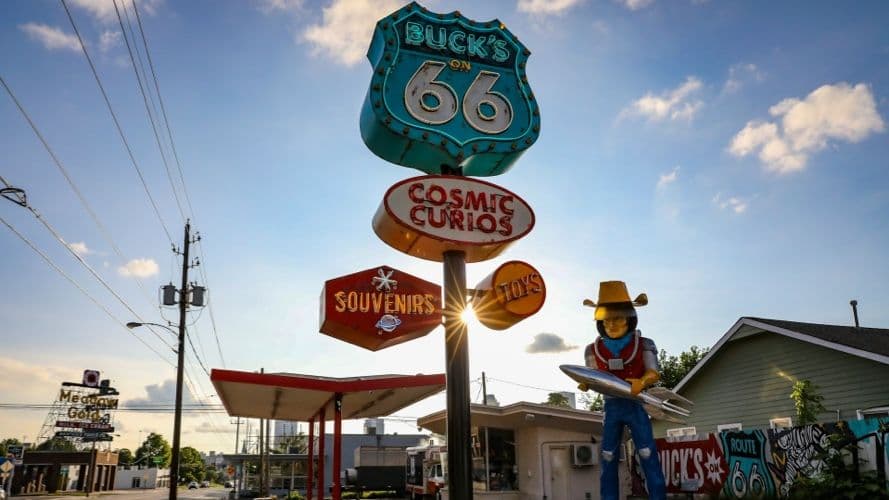
During session transitions, cities like Oklahoma City, Tulsa, and Sulphur experience a surge of parents who occupy a parallel world of professional rodeo and route sixty six history. This waiting rhythm is characterized by a shift from metropolitan speed to a slower lake time cycle. The system load for the parent is the high thermal intensity of the urban core. This surfaces as a retreat into high rise hotels or artisan lodges where climate control is guaranteed.

Parents often occupy the historic artisan hotels of the Chickasaw National Recreation Area. Here, the landscape of cold springs and limestone creeks provides a sensory mirror to the camp environment. The load surfaces as a competition for local hospitality resources. It becomes visible through the full occupancy of lakeside resorts and the increased traffic on secondary roads. Packing friction for parents shows up in the need for both urban professional attire and rugged outdoor gear for transition activities.

In the northeast, the Woolaroc Museum and the Philbrook provide a cultural retreat. The sight of bison and the history of oil wealth define this layer. The system load is the physical distance between these cultural hubs and the remote camp perimeters. This surfaces as a day long commitment to transit when visiting or dropping off participants. Transit weight is carried by the parent who must navigate the shift from turnpikes to unpaved county roads.

Bricktown water taxis move slowly through the canal.

The rhythm of this layer is dictated by the timing of local tribal festivals and equestrian events. Parents may occupy these spaces as a way to engage with the state heritage while remaining within the geographic orbit of the camp. This surfaces as a high value economy that exists specifically within the summer window. The load of navigation is expressed through the reliance on offline maps when traveling into deep timber or mesa regions where digital connectivity drops.

Transition friction for parents appears during the departure from the high comfort urban grid into the rural perimeter. The shift from paved multi lane highways to narrow section line roads creates a sudden awareness of isolation. This surfaces as a compressed window of connectivity. The communication rhythm is dictated by the availability of signal on the last ridge before the camp entrance, often resulting in a surge of last minute updates before total disconnection.

Observed system features:

water taxi transit in Bricktown.
lakeside lodge occupancy surges.
artisan hotel check in queues.

The scent of cedar wood and lake water at a lodge entrance..

Operational readiness.

Confidence anchors and transition friction.

Operational readiness in Oklahoma is anchored in storm reliability and water safety continuity.

Confidence Anchors such as the morning sky scan briefing and the hydration check ritual provide structural stability. These routines are designed to automate safety in an environment where heat fatigue and extreme pest seasons are the messy truth. The system load is the repetitive nature of these checks. This surfaces as a rigid morning schedule that must be completed before any group leaves the main lodge area. Schedule rigidity is the primary defense against rapid onset weather changes.

Transition friction is highest during the arrival from the high comfort suburban grid. Participants move from air conditioned environments into the sensory intensity of uninsulated cabins or lakeside perimeters. The system load is the sudden metabolic shift required to manage the heat. This becomes visible through the frequent use of thermal anchors like mandatory lake dips. Packing friction is expressed through the requirement for multiple changes of lightweight clothing to manage moisture saturation.

The sound of a heavy metal latch clicking on a storm shelter is a powerful structural anchor. It signals the completion of a safety transition. The load is held in the physical integrity of these buildings. It becomes visible through the lack of windows and the reinforced concrete walls that distinguish these structures from the lighter timber cabins. This structural redundancy surfaces as a reduction in emotional dips during severe weather events.

Readiness depends on the alignment of human routine with the uncompromising physics of the landscape. The sight of a well organized horse tack room or a functional lightning rod provides a physical signal of security. This surfaces as a reduction in transition friction when participants can see the hardware that protects them. Communication rhythm is carried by the physical session bell that overrides environmental noise and signals the next structural phase of the day.

Boots are knocked clean before entering the lodge.

The physical integrity of the main lodge and storm shelter is the primary daily confidence anchor for any Oklahoma legacy camp. Transition friction also manifests in the management of red dirt dust. The constant battle to keep equipment clean is a recurring load. It becomes visible through the presence of specialized cleaning stations and the ritual of gear maintenance. This dirt load surfaces as an accelerated wear on zippers and mechanical closures, necessitating frequent lubrication and replacement.

Operational security is signaled by the consistent sound of the session bell. This acoustic marker divides the day into manageable segments. The system load is the precision required to maintain this rhythm despite weather shifts. It surfaces as a highly coordinated effort to adjust schedules in real time based on the afternoon convective outlook. This resource rigidity ensures that all personnel are within immediate reach of hardened infrastructure when atmospheric conditions change.

Observed system features:

morning sky scan briefings.
mandatory lake dip schedules.
storm shelter latch inspections.

The ringing of a cast iron session bell across the prairie..

Disclaimer & Safety

General information:

This content is for informational purposes only and reflects market observations and publicly available sources. Kampspire is an independent platform and does not provide medical, legal, psychological, safety, travel, or professional advisory services.

Safety & oversight:

Camp programs operate within local health, safety, and child-care frameworks that vary by region. Because these standards are set and enforced locally, families should consult the camp directly and relevant local authorities for the most current information on safety practices and supervision.

Our role:

Kampspire does not verify, monitor, or evaluate compliance with these standards. Program details, pricing, policies, and availability are determined by individual providers and must be confirmed directly with them.