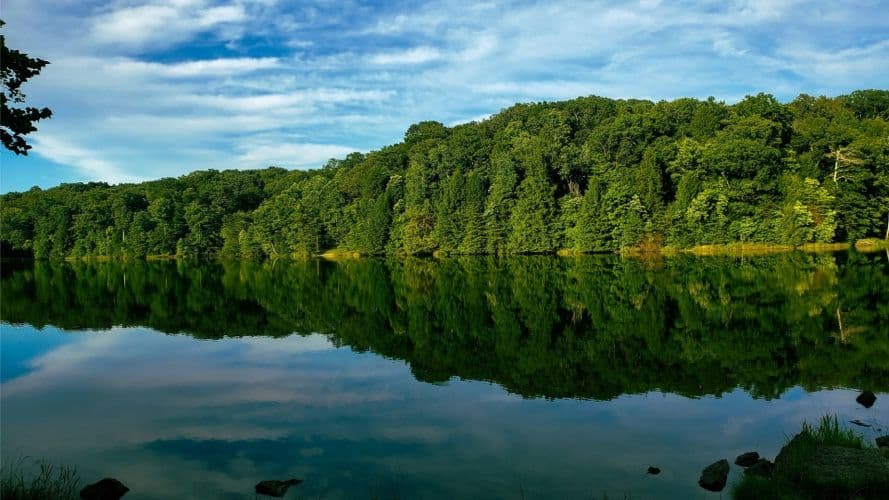
The summer camp system in Ohio.

A structural map of how geography, infrastructure, and routines shape camp life.

Ohio landscape

The Ohio camp system is structurally defined by the contrast between the fertile, glaciated Till Plains of the West and the rugged, unglaciated Appalachian Plateau of the Southeast. Infrastructure is governed by high density freshwater resources and a rigorous regulatory framework involving public facing information sources. The system functions within a landscape of high humidity and rapid onset Midwestern convective storms.

The primary logistical tension in Ohio is the reconciliation of heavy industrial and agricultural transit along the I-71 and I-75 corridors with the high stakes requirement for thermal safety and flood readiness in a landscape of high humidity and rapid onset Midwestern convective storms.

The geography of summer.

Ohio regions.

The physical layout of camp operations in Ohio is anchored by the distinct geological division between the glaciated plains and the unglaciated plateau.

In the Northeast, the geography surfaces as a series of rounded hills and kettle lakes within the glaciated Allegheny Plateau. This terrain provides a moisture rich forest canopy where legacy habitats use the natural topography as a thermal buffer. The presence of these specific landforms concentrates residential camp density near deep water basins formed by ancient glacial movements. High moisture levels in the kettle lake zones create a significant pest load that becomes visible through the rigorous application of perimeter repellent protocols and screened enclosure maintenance.

Moving toward the unglaciated Southeast, the landscape is expressed through steep hills and rocky ravines characteristic of the Appalachian Plateau. The rugged nature of this terrain necessitates a valley and ridge model for facility layout. This regional shift creates an observable change in foot traffic patterns as campers navigate significant elevation changes between dining halls and activity perimeters. The incline of these ridgelines represents a constant physical burden that surfaces as increased schedule rigidity to account for slower group transit times across the rocky terrain.

Road noise drops quickly after the last town.

The transit of participants across the state becomes visible through the concentration of weight on the three C axis of Cleveland, Columbus, and Cincinnati. This logistical load accumulates as suburban populations migrate toward the dark sky perimeters of the Hocking Hills or the Lake Erie shoreline. Heavy industrial traffic along the I-71 corridor creates a transit weight that shows up in the strict arrival windows required to avoid gridlock near major metro interchanges. Resource rigidity is marked by the need for remote facilities to maintain larger on site stockpiles due to the distance from primary distribution hubs.

Water bodies such as the Grand River and the Maumee lake plains define the structural perimeters for specialized flatwater operations. These silty, nutrient rich waters demand specific hardware for filtration and maintenance. The proximity to the Great Lakes ecosystem introduces a secondary layer of environmental load involving rapid wind shifts and high dew point humidity. High lake levels often result in shoreline erosion that is signaled by the relocation of temporary dock structures and maritime equipment during the early summer window.

The Bluegrass section in the southern reaches of the state shows up in the form of limestone rich environments. This karst topography allows for specialized cave exploration but imposes strict constraints on waste management and structural runoff. The soil here remains heavy and holds moisture long after a storm passes. This persistent soil moisture is carried by the physical grit of clay that adheres to gear and footwear, creating a packing friction that requires heavy duty storage solutions and frequent equipment cleaning.

Observed system features:

Glacial kettle lake density.
Appalachian valley and ridge camp layout.
Three C axis transit load.
Maumee lake plain maritime perimeters.
Limestone karst exploration sites.

The smell of damp oak hickory forest and the constant sound of cicadas..

The economics of camping.

Ohio infrastructure density.

Economic distribution within the Ohio system is marked by extreme asset density within the Greater Columbus orbit and the high value shoreline corridors of Lake Erie.

Civic Integration Hubs utilize municipal park systems and public assets to maintain daily continuity for urban populations. These programs often leverage the Columbus Metro Parks or similar city infrastructure. This model minimizes transport friction by remaining within the existing suburban grid. The reliance on public transit networks surfaces as a constraint on communication rhythms, as schedules must align with municipal operating hours and public park access constraints.

Discovery Hubs leverage the institutional ecosystems of research campuses and aerospace clusters near Wright Patterson AFB. These environments are hardware dense, featuring robotics labs and medical science facilities that do not require full geographic isolation. The concentration of high grade technical assets in these hubs creates a specific rhythm of day use activity. The high value of specialized laboratory hardware surfaces as a resource rigidity that requires intensive security protocols and limited movement of high cost instructional materials.

The air stays heavy even in shade.

Immersive Legacy Habitats feature Midwestern vernacular architecture characterized by heavy timbered lodge construction and screened in porches. These facilities represent the highest level of private acreage and are designed specifically to manage the state's high thermal mass. The maintenance of these large timber structures is signaled by the frequent application of moisture resistant sealants and the presence of industrial grade dehumidification systems. Thermal load in these uninsulated spaces surfaces as a packing friction where participants must include moisture wicking fabrics and high capacity fans in their standard gear lists.

Mastery Foundations are signaled by professional grade hardware such as indoor riding arenas for technical horsemanship or Olympic spec swimming pools. These campuses automate safety through high density staffing and specialized equipment. The presence of industrial arts tools and Arduino based labs marks the intersection of traditional camping with contemporary workforce development assets. High density equine hardware creates a physical burden of waste management that becomes visible through the placement of containment systems and the strict separation of agricultural and residential zones.

The agricultural extension premium is carried by facilities with deep institutional ties to collegiate research and 4-H networks. These sites often possess the most robust permanent infrastructure due to decades of land stewardship and state linked funding. Asset density is consistently highest in the Delaware Licking and Summit Cuyahoga quadrants. This concentration of institutional power shows up in the standardization of facility signage and the presence of permanent research plots that limit the expansion of recreational footprints.

Observed system features:

Midwestern vernacular lodge architecture.
Aerospace and cyber cluster hardware.
Agricultural extension infrastructure density.
Equine hardware containment systems.
Industrial arts lab assets.

The sound of a heavy session bell and the hum of high capacity industrial fans..

Infrastructure and environment.

Visible oversight in Ohio.

The economic density of the state is mirrored by a rigorous infrastructure of visible oversight designed to manage the Midwestern climate.

Visible artifacts of readiness are expressed through the mandatory display of registration documentation from public facing information sources. Oversight signals include health director stations and specific ratio tracking logs placed at entry points. These physical markers provide a baseline for operational transparency. The requirement for documented ratio compliance surfaces as a schedule rigidity where group movement is delayed until all physical logs are synchronized at transition points.

Thermal barrier hardware serves as a critical response to the high heat index peaks commonly observed in July. Permanent shade pavilions and cooling centers are essential components of the built environment. This infrastructure correlates with steadier afternoon energy levels as the physical load of the humidity is mitigated by scheduled cooling. High thermal mass in the air surfaces as a constraint on physical intensity, where programming must shift to low energy activities during the midday peak to prevent metabolic depletion.

Aquatic safety hardware becomes visible through the use of turbidity sensors and pool safety monitors at Lake Erie beach operations. The unpredictable nature of the Great Lakes ecosystem requires roped boundaries and specialized water testing equipment. These artifacts are primary signals of a system prepared for rapid shifts in water quality. High turbidity after a storm surfaces as a resource rigidity where aquatic facilities are closed to use, forcing the immediate activation of land based backup schedules.

Weather oversight is held in the presence of lightning detection sirens and satellite linked radar telemetry stations. These systems manage the threat of straight line winds and convective storms by automating the transition to indoor safe zones. Mud tracks travel indoors during these rapid weather shifts. The frequency of these convective events surfaces as a communication rhythm load, where emergency alert systems must be tested daily and staff must remain on high alert for audible siren signals.

Transition friction is managed through physical mud control zones such as extensive gravel paths and industrial grade boot washers. These installations separate the heavy Till Plain clay from residential interiors, reducing the maintenance load on legacy lodges. The weight of this clay surfaces as a packing friction where footwear must be specialized for high traction in slick mud. Human ROI is observed in the maintenance of hygiene and group morale through these repetitive cleaning rituals that minimize the transfer of grit into sleeping quarters.

Observed system features:

Thermal barrier shade pavilions.
Lightning detection siren hardware.
Industrial grade boot washer stations.
Turbidity sensor monitoring.
Registration documentation displays.

The tactile experience of sticky humid air before a convective peak..

The Parent Side Quest.

The parallel experience that unfolds outside the camp system.

The infrastructure of the camp system is shadowed by a parallel hospitality economy that occupies the parent adjacent layer during session transitions.

Heritage and hub hospitality corridors emerge in regions like Sandusky and Berlin, where world class roller coasters and artisan furniture markets create a waiting rhythm for families. This layer is marked by a shift from the high stress I-71 pace to a slower rural cycle. Parents often populate the historic hotels of the Ohio River valley. The high density of tourism in these zones surfaces as a transit weight where parent travel times between camp and local lodging are constrained by heavy seasonal traffic near major amusement parks.

In the northern region, the side quest is carried by the ferry whistles and lake water environment of the Lake Erie Islands. This geographic pocket allows for a sensory retreat that mirrors the aquatic nature of the nearby camp programs. The rhythm here is dictated by the availability of heartland gourmet dining. The reliance on ferry schedules surfaces as a communication rhythm constraint, as parents must disconnect from their standard timeline to align with the fixed departures of the island transport system.

Roadways through the corn belt provide a visual transition.

Nature retreat leisure becomes visible in the boutique inns of the Hocking Hills, where the sandstone cliffs provide a backdrop for the waiting period. The sound of the Cuyahoga Valley train whistle serves as a recurring acoustic anchor for those staying in the Northeast. Local county fairs and regional sports events like the Pro Football Hall of Fame capture the transition energy. The isolation of these nature retreats surfaces as a resource rigidity where parents must plan for limited cellular service and few commercial amenities outside the immediate resort footprint.

The innovation districts near Dayton and Akron provide a cultural retreat centered on the history of flight and industrialism. These areas offer a hardware dense experience for parents that complements the STEM focus found in many Discovery Hubs. This layer exists as a high value economy operating within the same hot summer window. The urban density of these districts surfaces as a transit weight where parking constraints and city navigation add a layer of friction to the drop off and pick up cycle.

Small town squares feature local ice cream stands as a final waypoint before the return to the suburban grid. These locations serve as informal staging areas where the messy truth of the transition becomes visible through the unpacking of gear in public parking lots. The sight of sunset over agricultural fields marks the end of the transit load. This visual transition surfaces as a packing friction where families must reorganize vehicles to accommodate new acquisitions from local artisan markets alongside camp gear.

Observed system features:

Heritage hospitality corridor occupancy.
Lake Erie island ferry rhythms.
Innovation district cultural retreats.
Artisan furniture market foot traffic.
Hocking Hills boutique inn density.

The sound of a ferry whistle over Lake Erie..

Operational readiness.

Confidence anchors and transition friction.

The parallel world of the parent side quest concludes as the operational routines of the camp take hold through established confidence anchors.

Operational readiness is anchored in storm reliability and water safety discipline. The morning sky scan briefing is a primary artifact of this readiness, where staff evaluate convective risks for the day. This routine provides a structural stability that allows the system to function in an exposed environment. The threat of rapid onset weather surfaces as a schedule rigidity where all outdoor activities must have a pre designated storm shelter within a five minute transit radius.

Transition friction is highest during the initial arrival from the high comfort suburban grid into the sensory intensity of an uninsulated cabin. This messy truth involves the physical grit of clay dust on surfaces and the metabolic drain of high mosquito hatches. The system manages this load through repetitive rituals like the buddy check at the waterfront. The humidity of the woodland perimeter surfaces as a packing friction where bedding must be aired out daily to prevent the accumulation of moisture within the living quarters.

Confidence anchors show up in the consistent sound of the meal time bell.

Mechanical integrity of water testing hardware and the availability of high quality hydration systems provide a sense of security. These signals offset the environmental stress of the high dew point. The physical integrity of the main lodge remains the primary daily anchor for residential life. The high metabolic cost of heat regulation surfaces as a resource rigidity where hydration supplies must be distributed at every activity station, requiring constant restocking by support personnel.

Thermal anchors are expressed through mandatory shade blocks and the use of lake water for temperature regulation during peak heat. These scheduled interventions are designed to automate safety and manage participant energy. A well organized boat house serves as a visual signal of operational security. The reliance on lake water for cooling surfaces as a schedule rigidity where activity blocks are timed to coincide with the periods of highest solar radiation.

The transition from air conditioned transit to the humid canopy is marked by the sound of a heavy wooden door latch clicking. This acoustic signal indicates the departure from the civic grid into the legacy habitat. Readiness depends on the alignment of human routine with the uncompromising moisture of the Ohio landscape. The weight of this humidity surfaces as a communication rhythm constraint where verbal instructions must be clear and concise to maintain focus during the afternoon metabolic dip.

Observed system features:

Morning sky scan safety ritual.
Waterfront buddy check systems.
Thermal anchor shade blocks.
Hydration station density.
Storm shelter transit mapping.

The sound of a heavy wooden door latch clicking shut..

Kampspire Field Guide

A shared way to understand camp environments

The Field Guide sits in the space between research and arrival, helping you understand how camp environments work before you experience them.

Disclaimer & Safety

General information:

This content is for informational purposes only and reflects market observations and publicly available sources. Kampspire is an independent platform and does not provide medical, legal, psychological, safety, travel, or professional advisory services.

Safety & oversight:

Camp programs operate within local health, safety, and child-care frameworks that vary by region. Because these standards are set and enforced locally, families should consult the camp directly and relevant local authorities for the most current information on safety practices and supervision.

Our role:

Kampspire does not verify, monitor, or evaluate compliance with these standards. Program details, pricing, policies, and availability are determined by individual providers and must be confirmed directly with them.