The summer camp system in Utah.

A structural map of how geography, infrastructure, and routines shape camp life.

Utah landscape

The Utah camp system is structurally defined by the collision of the Great Basin internal drainage, the Wasatch spine, and the uplifted red rock desert of the Colorado Plateau. Infrastructure is governed by a massive federal land footprint and a specific licensing framework for outdoor youth programs designed to manage high risk wilderness activities. The system operates within a landscape where extreme verticality and unglaciated desert heat necessitate constant hydraulic vigilance.

The primary logistical tension in Utah is the reconciliation of extreme verticality and unglaciated desert heat with the high-stakes requirement for hydraulic vigilance—managing both snow-melt fed rapids and the critical scarcity of potable water in the backcountry.

The geography of summer.

Utah regions.

Utah geography dictates a system where environmental load is determined by the transition between three primary physical provinces.

The Wasatch and Uinta Ranges provide the primary alpine refuge for programs seeking natural cooling at high elevations. These mountains function as the high water sector where glacial lakes and reservoirs provide the only significant moisture for hundreds of miles. The limestone and quartzite peaks create a vertical constraint that shapes every hiking route and camp layout. Alpine krummholz and dense coniferous forests define the visual and physical boundaries of these high altitude campuses.

To the west, the Basin and Range province introduces a landscape of parallel mountain blocks and internally draining valleys. This region is marked by the presence of the Great Salt Lake and the expansive Bonneville Salt Flats. The geography here is defined by alkaline dust and vast open spaces that increase transit friction between isolated mountain ranges. Programs operating in this quadrant must account for the lack of natural shade and the intensity of the Great Basin sun.

The verticality of the landscape remains the most significant structural force.

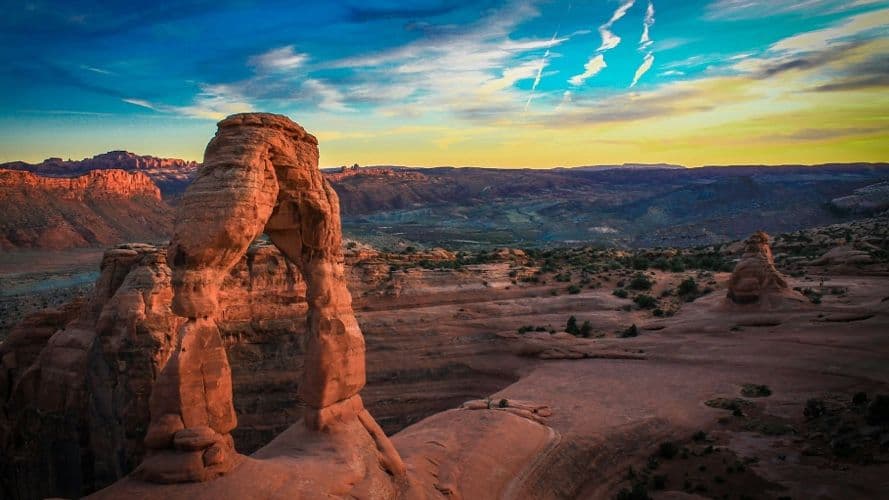
The southern half of the state is dominated by the Colorado Plateau, a rugged landscape of deep canyons and mesas. Red rock formations and sandstone arches create a high thermal mass environment that retains heat long after sunset. The Grand Staircase and the various slot canyons present a unique geological load where flash flood risks are a constant structural consideration. This region requires a specialized approach to terrain navigation where the vertical walls dictate the movement of every group.

The aridity and altitude model is the primary driver of physical load across all regions. Moving from the high desert scrub of Moab to the alpine peaks of the Uinta Wilderness creates massive logistical weight for thermal management. This shift surfaces as a requirement for specialized gear that can handle both freezing night temperatures and triple digit daytime heat. Transition friction is concentrated on the I-15 corridor, which serves as the main artery connecting urban centers to remote outback quadrants.

Water moves quickly through this system. The scarcity of potable sources in the backcountry becomes visible through the heavy reliance on filtration hardware and established spring locations. The physical weight of water is a constant presence in the packing manifests for every expedition. This load is carried by the participants as they navigate the steep gradients of the Wasatch front or the winding paths of the southern canyons.

Road noise drops quickly after the last town.

Every camp site is selected based on its proximity to water and its protection from the elements. The interaction between the alpine spine and the desert floor creates a weather system that can change rapidly, signaling the need for immediate shelter. This geographic reality ensures that every program is tethered to the specific physics of its home province.

Observed system features:

transition between three primary physical provinces.
high water sector glacial lakes.
alkaline dust transit friction.

the scent of sun-baked sagebrush meeting cold alpine air.

The economics of camping.

Utah infrastructure density.

The economic distribution of camp facilities is characterized by high asset density within the Wasatch Back and the gateway corridors leading to major national parks.

Civic Integration Hubs utilize high grade public assets provided by the Bureau of Land Management and the extensive state park system. These programs are often situated near landmarks like Bear Lake or Antelope Island, where they leverage existing group camp infrastructure. The economics of these hubs are tied to the accessibility of public boat ramps and established trailheads. This surfaces as a high frequency of day use and short duration sessions that integrate with local municipal schedules.

Discovery Hubs are embedded within the institutional ecosystems of major universities and research centers. These campuses provide hardware-dense environments for geosciences, aerospace, and outdoor recreation management. They utilize specialized laboratories and climbing walls to simulate field conditions before groups move into the wilderness. The presence of collegiate grade equipment creates a structural bridge between academic theory and physical application.

Intermountain rustic lodges utilize expansive glazing.

Immersive Legacy Habitats feature a distinct architectural style known as intermountain rustic. These facilities are constructed with basalt masonry and heavy timber to manage the intense solar exposure of the high desert. Private acreage in these habitats is often surrounded by federal lands, creating a sense of total isolation. The valuation of these properties is held in their long term special use permits for high adventure corridors in the forest and wilderness areas.

Mastery Foundations focus on technical skills like rock climbing and whitewater rafting through the use of professional grade hardware. These campuses are equipped with GPS telemetry kits and technical rigging systems to automate safety in skill intensive environments. The staffing density is noticeably higher in these programs to manage the complexity of the equipment and the risks associated with Class IV rapids. This economic model relies on a high ratio of instructors to participants to maintain operational stability.

The industry functions as a pillar of the state outdoor recreation economy.

High asset density in the Park City and Moab areas creates a premium on programs that can guarantee access to coveted permits. This economic reality becomes visible through the quality of the field gear and the specialized vehicles used for transport. The scarcity of private land within the federal footprint ensures that existing facilities remain central to the system infrastructure.

Observed system features:

intermountain rustic architectural style.
high asset density Wasatch Back.
collegiate grade equipment integration.

the sound of a heavy timber lodge door latching shut.

Infrastructure and environment.

Visible oversight in Utah.

Visible oversight in the Utah system is anchored in the licensing framework for outdoor youth programs and recreation camp sanitation standards.

Every licensed program is marked by the presence of a field office located within a specific response radius of all active groups. This office serves as the communications hub where master maps of activity areas are maintained. Oversight artifacts include high visibility support vehicles equipped with multi band radios and emergency medical supplies. These vehicles are a constant presence on the gravel roads leading to remote backcountry drop points.

In the aquatic zones of the Colorado River and Flaming Gorge, oversight is expressed through strict adherence to river permit compliance. The mandatory use of personal flotation devices and the presence of self bailing rafts are clear signals of the technical safety protocols in place. Professional guides monitor river flow rates and water temperatures to determine the daily operational limits. This structural rigidity is a direct response to the power of glacial fed systems and desert rapids.

Water system coliform checks occur regularly.

Field directors are often identified by their age and experience profile as required by the public facing documentation standards. Their presence is a confidence anchor for the system, ensuring that leadership is capable of managing complex group dynamics in isolated terrain. Daily routines include mandatory foot check logs and hydration monitoring to prevent environmental injuries. These small artifacts are the primary defense against the heat and dust of the plateau.

Environmental low impact hardware is a visible requirement for any program operating on public lands. Portable waste systems and defensible space perimeters around campfire zones are standard infrastructure components. This hardware manages the extreme fire risk inherent in the dry timbered forests and desert scrub. The use of these systems is signaled by the clean appearance of backcountry campsites and the absence of permanent fire scars.

Human ROI is observed in the correlation between consistent layer management and the maintenance of group energy during significant diurnal shifts.

When participants are equipped with the correct thermal layers, the emotional dips associated with the cold desert night are mitigated. This relationship between physical gear and human performance is a key metric for operational success. The oversight system is designed to automate these safety checks so that the focus remains on the wilderness experience.

Observed system features:

high visibility support vehicles.
mandatory foot check logs.
portable waste systems integration.

the metallic click of a locking carabiner in a sandstone canyon.

The Parent Side Quest.

The parallel experience that unfolds outside the camp system.

The parent adjacent layer in Utah is defined by the high desert hospitality corridors that bracket the primary camp zones.

During session transitions, towns like Park City and Moab experience a surge in the temporary population of families. These visitors occupy a world of luxury ski resorts and mountain biking hubs that exists in parallel to the rugged camp environment. The rhythm of this experience is dictated by the availability of high desert bistro dining and the timing of local river festivals. Parents often find themselves lingering in heritage districts where the history of pioneers and the railroad provides a cultural retreat.

In the southern region, the towns of Kanab and Springdale serve as the base for those waiting near the red rock parks. The sight of sunset over the Great Salt Lake or the sound of wind through the arches provides a sensory mirror to the activities of the participants. This waiting rhythm is characterized by a shift toward the adventure cycle, where hiking and photography become the primary occupations. The dark night skies of Bryce Canyon offer a distinct backdrop for this period of transition.

Waiting occurs in historic lodges.

The parent adjacent economy is a high value layer that supports the broader tourism infrastructure of the state. It is marked by the presence of high end gear shops and art galleries that cater to the seasonal influx. The transition from metropolitan pace to the desert cadence is a shared experience between the parents and the campers. This parallel world ensures that the entire family system is influenced by the Utah landscape during the summer months.

The desert light shifts rapidly against the canyon walls.

Proximity to the Interstate 15 corridor allows for quick movement between the urbanized Wasatch Front and the isolated southern desert. Parents may utilize this infrastructure to explore the high altitude lakes of the north before meeting their children in the red rock districts. This mobility is a hallmark of the Utah transition period, where the vast distances of the state are navigated through a series of high speed desert roads.

Observed system features:

high desert hospitality corridors.
adventure cycle waiting rhythm.
heritage district cultural retreats.

the taste of cold water from a desert spring after a day in the sun.

Operational readiness.

Confidence anchors and transition friction.

Operational readiness is physically manifested in the integrity of communications and the availability of hydration manifolds.

Confidence anchors such as the morning air quality and ultraviolet briefing provide a stable start to the day. The sound of the session bell or the ritual of the morning circle helps automate the transition into the daily routine. These routines are essential for managing the messy truths of the desert, which include alkaline dust on every surface and the friction of packing gear for multi day treks. Readiness is carried by the staff who maintain the rhythm of these anchors regardless of the environmental load.

Flash flood pivots are a structural reality in the southern canyons. Programs must be ready to move to higher ground or change routes entirely based on regional weather patterns. This requirement for flexibility surfaces as a need for redundant communication systems and highly trained field staff. The ability to pivot without breaking the group's confidence is a primary indicator of system readiness. This readiness is held in the master maps and emergency protocols stored at the field office.

The physical grit of the desert is a constant friction point.

Transition friction is managed through the use of thermal anchors like mandatory reservoir dips and the evening gear check. These activities help regulate body temperature and ensure that the group is prepared for the rapid cooling that occurs after sunset. The alignment of human routine with the uncompromising physics of the landscape is the final measure of readiness. When these systems are functioning, the group moves through the vertical terrain with a steady energy that reflects the stability of the camp infrastructure.

Communication rhythm is held in the field office.

The durability of footwear and the integrity of water filtration systems are observable artifacts of a ready program. In the Utah backcountry, equipment failure becomes visible through immediate schedule rigidity as groups must adjust to resource scarcity. A ready system is marked by its ability to absorb these environmental pressures through redundant hardware and disciplined daily habits. These structures ensure that the verticality and heat of the state do not compromise the operational footprint.

Observed system features:

morning ultraviolet briefing routines.
flash flood pivot protocols.
thermal anchor reservoir dips.

the feel of fine red dust on a waterproof map.

Kampspire Field Guide

A shared way to understand camp environments

The Field Guide sits in the space between research and arrival, helping you understand how camp environments work before you experience them.

Disclaimer & Safety

General information:

This content is for informational purposes only and reflects market observations and publicly available sources. Kampspire is an independent platform and does not provide medical, legal, psychological, safety, travel, or professional advisory services.

Safety & oversight:

Camp programs operate within local health, safety, and child-care frameworks that vary by region. Because these standards are set and enforced locally, families should consult the camp directly and relevant local authorities for the most current information on safety practices and supervision.

Our role:

Kampspire does not verify, monitor, or evaluate compliance with these standards. Program details, pricing, policies, and availability are determined by individual providers and must be confirmed directly with them.