The summer camp system in Iowa.

A structural map of how geography, infrastructure, and routines shape camp life.

Iowa landscape

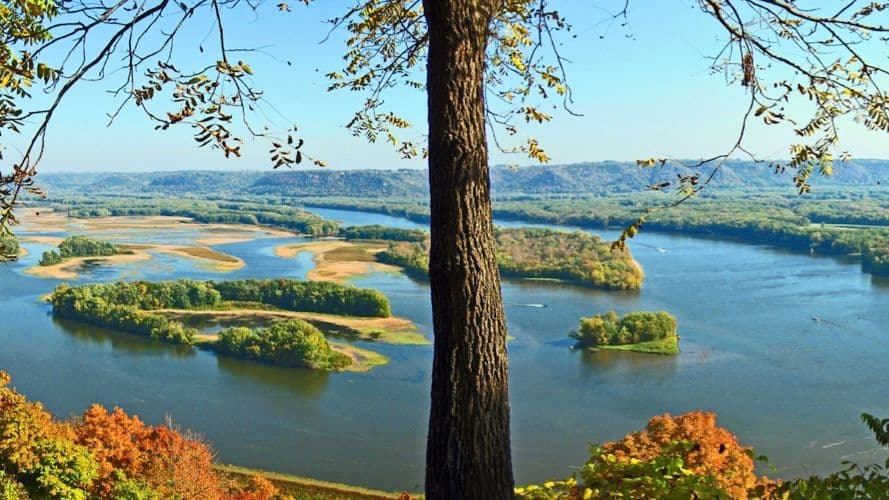
The Iowa camp system is structurally defined by the transition from high-density glacial kettle lakes in the northwest to the deeply eroded Loess Hills and the high-bluff corridors of the Upper Mississippi River. Infrastructure is governed by the hydraulic requirements of the agricultural interior and the rigid safety protocols necessitated by the state position in the high-volatility convective storm path. This system functions as a series of timbered islands within an expansive prairie landscape, requiring specific hardware for thermal management and storm hardening.

The primary logistical tension in Iowa is the reconciliation of open-prairie thermal exposure and sudden-onset tornadic alerts with the physical load of navigating high-moisture, silty loess terrain.

The geography of summer.

Iowa regions.

The Iowa landscape is physically segmented by the legacy of the Des Moines Lobe, a glacial footprint that created the state only high-density concentration of natural lakes.

In this northern region, geography is defined by blue-water basins where Immersive Legacy Habitats leverage stable aquatic boundaries. The terrain is hummocky and rumpled, creating a specific physical load on participants navigating between waterfronts and cabins. The lack of natural drainage in these kettle lake formations often surfaces as high-viscosity mud after precipitation, which becomes visible through significant transit weight on unpaved footpaths.

The air stays heavy even in shade.

Moving west, the landscape surfaces as a series of vertical ridgelines known as the Loess Hills. This wind-blown silt formation is globally unique and highly fragile. The vertical load here is intense because the soil is prone to slumping, requiring participants to maintain constant awareness of trail integrity. This soil fragility is a system load that surfaces as high schedule rigidity, as trails must be closed immediately during rain events to prevent structural erosion.

In the central corridor, the topography becomes an expansive till plain dominated by industrial-scale agriculture. Camps in this region exist as isolated timbered islands. The lack of topographic barriers allows the prairie fetch to accelerate wind speeds toward camp perimeters.

This exposure becomes visible through the rapid onset of convective storm cells. The distance between shelter points is a primary constraint on movement. Large open spaces increase the sunlight load, requiring more frequent pauses at hydration stations.

Toward the northeast, the Driftless Area introduces limestone canyons and cold-water streams. The physical load shifts to rock-hopping and steep ravine descents. This rugged terrain demands a different footwear profile compared to the silty western hills.

The soil throughout the interior is composed of deep, dark mollisols. These dark soils turn into thick mud after frequent rains. This viscosity surfaces as a significant transit friction for participants moving across unpaved campus paths.

The Des Moines River and the Cedar River provide inland cooling systems. Their valleys offer heavy forest canopy that mitigates the high-thermal load of the open prairie. These river corridors function as the primary structural relief for central Iowa programs.

Observed system features:

Glacial kettle lake concentration.
Loess ridgeline verticality.
Timbered island isolation.

The smell of freshwater algae and sun-baked clover..

The economics of camping.

Iowa infrastructure density.

Geography dictates the distribution of asset density across the state, concentrating high-value infrastructure along scarce natural shorelines and urban edges.

Civic Integration Hubs utilize high-grade public assets within municipal park grids. These programs leverage the state investment in county conservation boards. This reliance on public land creates a specific rhythm of daily continuity and grid integration. The shared nature of these spaces surfaces as high resource rigidity, as facilities must be vacated for public use cycles.

Discovery Hubs are embedded within the institutional ecosystems of major universities and research corridors. These environments are hardware-dense, featuring climate-controlled research glasshouses and high-throughput computer labs. The proximity to metropolitan centers reduces transit friction for the participant base. High-density tech hardware creates a system load that is expressed through high packing friction for specialized protective equipment.

Road noise drops quickly after the last town.

Immersive Legacy Habitats are primarily concentrated in the northwestern lakes and river bluff regions. These sites feature large-scale waterfront aeration systems and limestone-foundation architecture. The scarcity of natural shoreline increases the economic density of these waterfront footprints.

Mastery Foundations utilize professional-grade hardware for competitive activities like rowing or precision livestock showing. These campuses require high-density staffing to manage technical safety in skill-intensive environments. The physical presence of carbon-fiber racing shells or sensor-dense lab spaces signals this high-asset investment.

Infrastructure density is often restricted by flood-plain zoning laws. The high cost of maintaining trail integrity in soft-soil loess environments limits the footprint of western camps. This constraint becomes visible through the frequent use of boardwalks and reinforced pathways.

Waterfront premiums dictate the layout of legacy sites. The presence of massive screened porches is a structural response to high-density insect loads. These architectural features provide passive thermal relief in a humid climate.

Hydraulic reliability is a significant investment for any rural facility. Deep-well systems and specialized drainage culverts are required to manage high-silt runoff. This infrastructure surfaces as a necessary safeguard against the state heavy rain cycles.

Strategic land use patterns show a concentration of camps on river bluffs. These locations provide natural elevation above the agricultural grid. This elevation offers better air circulation but increases the vertical transit load for daily movement.

Observed system features:

Waterfront asset concentration.
Institutional hardware density.
Silt-management drainage systems.

The sound of an industrial-strength screen door slamming..

Infrastructure and environment.

Visible oversight in Iowa.

The economic investment in infrastructure resolves into visible artifacts designed to manage the environmental volatility of the plains.

Hardened concrete storm shelters are the primary safety artifacts on any Iowa campus. These structures provide a visible signal of readiness in a landscape prone to rapid weather shifts. Automated tornado siren arrays are frequently positioned at central points for maximum auditory reach. This environmental volatility is a system load that surfaces as high communication rhythm, with weather radio monitoring protocols occurring multiple times daily.

In aquatic zones, oversight is expressed through buddy-boards and color-coded swim caps. These tools are mandatory in turbid-water environments. Agricultural runoff often reduces visibility in artificial reservoirs, making these physical markers necessary for participant monitoring.

Mud tracks travel indoors.

Thermal-barrier hardware includes permanent shade pavilions and industrial-grade water-coolers. These items are positioned at every trail junction to mitigate the intense heat-index loads. Human ROI is observed in the correlation between strict hydration-logging and steadier afternoon energy levels. Intense thermal exposure is a system load that surfaces as high resource rigidity for water replenishment.

Weather oversight is also signaled by high-gain radar monitors and satellite-linked radios in common areas. These devices represent a hardware-driven response to the prairie reality. The visual of a red flag at the waterfront initiates an immediate transition to hardened structures.

Western facilities include slope anchors and fencing to manage erosion-prone soil. This oversight is expressed through boardwalks that protect fragile loess ridgelines. The maintenance of these paths is a constant operational load.

Transition friction is managed through gravel boot-scrapes and ventilated mudrooms. These architectural features separate dark prairie soil from interior spaces. This separation reduces the maintenance load on high-traffic facilities.

Digital check-ins and RFID-enabled badges are common in urban-adjacent Discovery Hubs. These tools automate the tracking of movements within high-density campuses. This hardware signals a focus on precision and safety in institutional settings.

Automated lightning sirens are the primary physical regulators of outdoor activity. Their sound dictates the daily rhythm during peak convective windows. This structural rigidity ensures that participants are moved to safety before the onset of high-velocity wind events.

Observed system features:

Concrete storm-shelter arrays.
Turbid-water swim-cap protocols.
Ventilated mudroom transitions.

The hum of large-scale waterfront aeration systems..

The Parent Side Quest.

The parallel experience that unfolds outside the camp system.

External to the operational camp perimeter, a parent-adjacent layer unfolds within the state leisure corridors and river towns.

This layer is defined by the rhythm of the Iowa Great Lakes and the bluff-top cabins of the Mississippi. Parents occupy a parallel world of vintage amusement parks and riverboat excursions during session transitions. This experience is marked by a shift from metropolitan speed to a slower river pace.

Lakeside dining and local festivals dictate the timing of this external layer. The towns of Okoboji and Arnolds Park experience a surge of seasonal populations. This surge becomes visible through the increased density of excursion boats on the water. High-volume seasonal tourism is a system load that surfaces as transit weight on local two-lane roads.

The gravel road crunches under tires.

Heritage towns like Dubuque or the Amana Colonies serve as cultural retreats. Parents navigating these areas encounter the same humid, high-thermal-mass summer window as the participants. The physical distance is managed by the well-maintained county road grid.

Maritime museums and historic resorts provide a sensory mirror to the camp environment. The sight of expansive water and the sound of wind through oaks are constant anchors. This waiting rhythm is characterized by leisure-and-logistics, emphasizing the rural yet highly connected nature of the state. Distance from urban hubs is a system load that surfaces as high communication rhythm, as digital connectivity varies by county.

In the central corridor, the parent-adjacent experience often centers on Living History Farms or university-town amenities. These locations offer a distinct contrast to the isolation of the timbered camp islands. Parents move between these high-comfort zones and the gravel drives of the camp perimeter.

The arrival at the camp drive marks a significant physical transition. The dark soil landscape and the heat are pervasive across both the camp and the parent-adjacent layer. This shared environmental load creates a common sensory background for the summer season.

Visibility of state park signage is a consistent marker of this layer. The tactile feel of damp, heavy air remains constant regardless of the activity. This parallel economy operates on a timeline that mirrors the intake and release cycles of the camp system.

Towns like Ames and Iowa City function as the primary logistical gateways. These hubs provide the necessary infrastructure for families entering the system from the central corridor. Their presence simplifies the transition from the metropolitan grid to the rural camp environment.

Observed system features:

Lake-time leisure rhythms.
Heritage-town logistical gateways.
River-corridor resort occupancy.

The tactile feel of damp, heavy air on skin..

Operational readiness.

Confidence anchors and transition friction.

The transition into the camp environment is managed through specific routines and confidence anchors that stabilize the system against environmental volatility.

Morning weather-radio checks and sunscreen-station rituals provide structural stability. These routines automate safety in a landscape where sudden storm evacuations are a messy truth. The consistent sound of the mess hall bell acts as an auditory anchor for the daily schedule. Sudden storm onset is a system load that surfaces as high schedule rigidity, as outdoor blocks are terminated instantly upon siren alerts.

Transition friction is highest during the move from air-conditioned urban environments to the sensory intensity of the prairie. This shift surfaces as an initial period of humidity-induced fatigue. Participants must adjust to the constant presence of loess dust and the physical grit of the landscape. High humidity is a system load that surfaces as high packing friction for moisture-wicking textiles.

The mess hall fan drones constantly.

Operational readiness is physically manifested in the integrity of storm-hardened structures. The presence of functional drainage culverts and clear marking of lower-level rally points signals environmental security. A facility readiness is visible in its ability to transition rapidly to a hardened state.

Shadow load in the Iowa system includes the storage of extra towels and electrolyte hardware. These items are required to prevent breakdown during afternoon convective storms. Waterproof storage for gear is a necessary constraint to manage the state frequent rains.

Confidence is reinforced by the sight of a well-organized canoe rack or a functional lightning rod. These artifacts indicate that the facility is prepared for the uncompromising physics of the landscape. The alignment of human routine with these physical signals ensures operational stability.

Thermal anchors like mandatory shade-blocks and lake-water cooling sessions regulate participant temperatures. These interventions are necessary to maintain group emotional stability during peak humidity. The maintenance of these anchors is a primary responsibility of the staffing structure.

High-capacity hydration systems are central to the operational footprint. Their presence at every major activity site reduces the resource rigidity of the system. This accessibility allows for more flexible movement across the high-exposure till plain.

Final stability depends on the physical management of participant safety and hydration. The cultural rhythm of heartland pragmatism is reflected in these high-discipline routines. The system operates most effectively when the physical environment is acknowledged as a constant, uncompromising load.

Observed system features:

Morning weather-radio synchronization.
Lower-level rally point marking.
Mandatory thermal-anchor sessions.

The acoustic of a cicada-heavy forest..

Kampspire Field Guide

A shared way to understand camp environments

The Field Guide sits in the space between research and arrival, helping you understand how camp environments work before you experience them.

Disclaimer & Safety

General information:

This content is for informational purposes only and reflects market observations and publicly available sources. Kampspire is an independent platform and does not provide medical, legal, psychological, safety, travel, or professional advisory services.

Safety & oversight:

Camp programs operate within local health, safety, and child-care frameworks that vary by region. Because these standards are set and enforced locally, families should consult the camp directly and relevant local authorities for the most current information on safety practices and supervision.

Our role:

Kampspire does not verify, monitor, or evaluate compliance with these standards. Program details, pricing, policies, and availability are determined by individual providers and must be confirmed directly with them.