The summer camp system in Nebraska.

A structural map of how geography, infrastructure, and routines shape camp life.

Nebraska landscape

The Nebraska camp system is structurally defined by the transition from high density loess plains in the East to the fragile, intact ecosystems of the Sandhills and the rugged pine clad escarpments of the Panhandle. Infrastructure is governed by extreme continental weather volatility and the requirement for high load hydraulic management in an arid to humid transition zone. Systemic stability relies on the integration of storm hardened physical assets within a landscape of vast horizontal distances and rapid atmospheric energy shifts.

The primary logistical tension in Nebraska is the reconciliation of heavy transit friction across the I-80 corridor with the high stakes requirement for storm hardened shelters and equestrian safety in a landscape of rapid onset supercell convection and vast horizontal distances.

The geography of summer.

Nebraska regions.

The structural layout of Nebraska camping is anchored by the gradual elevation gain from the Missouri River valley toward the high plains of the west.

This physical rise surfaces as a significant atmospheric regulator, where the interaction of moisture from the south and dry air from the west creates a high energy boundary. The eastern Till Plains hold the highest concentration of camp infrastructure, where rolling hills and hardwood forests provide a dense canopy for activities. This regional load is expressed through high humidity levels that necessitate specific ventilation hardware in sleeping quarters and dining halls. Transit weight accumulates along the Missouri River bluffs where steep loess hills create winding access roads that limit the speed of large transport vehicles.

Moving westward, the system encounters the Sandhills, which represent a radical shift in ecological and structural demands. This region is marked by stabilized sand dunes and a shallow water table fed by the Ogallala Aquifer. Geography here is a fragile prairie carpet where permanent structures must be sited to avoid erosion in blowouts or sandy depressions. The load of the Sandhills surfaces as a requirement for specialized vehicle tires and high capacity sand filtration in water systems, as fine particulates permeate every mechanical surface. Shadows are rare on the open range.

In the far west, the Pine Ridge and Wildcat Hills introduce vertical sandstone buttes and ponderosa pine forests to the system. This terrain load is expressed through steep gradient hiking trails and the necessity for rigorous erosion control on campus perimeters. The physical distance from major metropolitan centers like Omaha or Lincoln becomes a primary constraint on resource rigidity, as delivery schedules for fresh supplies are stretched by several hours of transit. These remote outposts rely on high gain radio antennas and satellite links to maintain connectivity across the vast timbered ridges.

Water bodies in Nebraska function as primary hydraulic regulators for summer heat management. The Niobrara River provides a consistent spring fed flow that supports technical river navigation and tubing operations despite the semi arid climate of the north. The Platte River system, conversely, shows up as a wide and braided waterway where shifting sandbars create high friction for watercraft. Management of these river corridors becomes visible through the placement of permanent gauge stations and mandatory life jacket racks at every entry point. The presence of these water systems allows for a localized cooling effect that mitigates the solar load on the surrounding prairie.

Atmospheric energy is a constant structural force across all Nebraska regions. The dry line boundary serves as a primary regulator of daily schedules, as afternoon heating often triggers rapid onset convection. This environmental load is held in the physical presence of lightning rods on every tall structure and the proximity of reinforced masonry buildings to open activity fields. The sight of an anvil cloud on the horizon signals a transition from outdoor range activities to indoor hardened spaces. Wind speeds on the open plains remain a consistent pressure on temporary structures like tents or shade pavilions.

Observed system features:

loess hill access road navigation.
sandhills aquifer filtration systems.
pine ridge vertical trail erosion.

The smell of curing prairie hay across the open blowouts..

The economics of camping.

Nebraska infrastructure density.

The economic distribution of camp facilities in Nebraska is dictated by the availability of water rights and the proximity to the I-80 transportation axis.

Civic Integration Hubs are heavily clustered within the Omaha and Lincoln metropolitan grids, where programs utilize municipal park assets and high grade public infrastructure. These environments show up as high density daytime operations where the load is primarily one of transit logistics through urban congestion. The economic footprint is marked by the use of existing school buildings and community centers that provide a climate controlled baseline without the need for private land maintenance. These hubs leverage the state investment in 4-H and agricultural extension centers to provide technical programming within a civic framework.

Discovery Hubs are embedded within institutional ecosystems such as the University of Nebraska or specialized aerospace corridors near strategic air command zones. These programs feature hardware dense environments including robotics labs and agricultural telemetry stations. The asset density is concentrated in indoor facilities with high capacity electrical grids and climate control systems that shield technical equipment from the prairie heat. This economic model relies on proximity to professional expertise and high value hardware that is not typically found in traditional outdoor settings. Hardware is the primary capital anchor here.

Immersive Legacy Habitats represent the highest private land load, particularly in the Sandhills and the Niobrara river valley. These campuses consist of large scale private acreage where the infrastructure is designed to create a total departure from the civic grid. The economic value is held in the preservation of intact prairie and the maintenance of extensive trail networks. Building materials often favor the Great Plains vernacular, using reinforced masonry foundations and low profile roofs to withstand high velocity winds. The maintenance of these vast properties surfaces as a significant operational load, requiring industrial grade mowing equipment and heavy duty perimeter fencing.

Mastery Foundations are defined by professional grade hardware dedicated to specialized skill sets like competitive rodeo or technical horsemanship. These campuses feature indoor riding arenas, heavy duty stock trailers, and GPS enabled range sensors to manage large animal safety. The staffing density in these environments is remarkably high to automate the technical oversight of equine operations. The economic footprint of a Mastery Foundation is visible in the presence of specialized veterinary bays and high capacity hay storage facilities that must be stocked for the duration of the season. These assets represent a high stakes investment in safety and technical proficiency.

Land use patterns across the state show a clear preference for sites with direct river access or high volume wells. The operational footprint of any Nebraska camp includes significant investment in drought resistance hardware such as deep well submersible pumps and high capacity water storage tanks. This infrastructure becomes visible during the semi arid peaks of mid summer when water demand for both human hydration and dust suppression reaches its maximum. The cost of maintaining lush turf in a prairie environment is a visible economic marker of asset density. Road noise fades near the river bends.

Observed system features:

reinforced masonry foundation density.
equine mastery hardware maintenance.
drought resistance pump infrastructure.

The rhythmic hum of a center pivot irrigation system on the camp boundary..

Infrastructure and environment.

Visible oversight in Nebraska.

Visible oversight in the Nebraska system is primarily organized around the management of atmospheric kinetic energy and high density thermal safety.

ICC 500 certified storm shelters serve as the dominant safety artifact on every campus, providing a high visibility signal of environmental readiness. These hardened structures are often the most prominent buildings on site, featuring reinforced concrete walls and heavy steel doors designed for extreme wind loads. The presence of these shelters correlates with a steadier emotional energy among participants during evening storm cycles, as the physical sanctuary is always within sight. These artifacts are not merely for emergencies but function as the psychological anchor of the entire campus layout.

In aquatic zones, oversight is expressed through the use of turbidity monitors and hydraulic alert sirens. The fluctuating currents of the Platte and Missouri rivers require constant monitoring of water levels and flow rates to manage the safety of river navigation. Visible signals include roped boundaries in calmer backwaters and high visibility flags that indicate current strength at the waterfront. The human effect of this hardware is observed in the precise timing of water activities to avoid the peak heat of the afternoon when river temperatures offer the most significant cooling. Water is a primary regulator of metabolic load.

Thermal barrier hardware is a mandatory component of the Nebraska infrastructure due to the intense solar exposure of the open plains. This surfaces as the presence of permanent shade pavilions and high capacity hydration stations equipped with industrial grade ice makers. Oversight of hydration is marked by the ritual of the color coded water bottle and the mandatory shade break during the four o clock convective peak. These physical systems are designed to mitigate the load of heat exhaustion and maintain group energy levels during the most demanding hours of the day. The air stays heavy even in the shade.

Operational oversight also includes the management of prairie dust and loess soil. This becomes visible through the use of dust wash stations at the entrance of living quarters and the presence of ventilated mudrooms that separate the outdoors from the sleeping environment. The tactile grit of the prairie is a constant load that must be managed to prevent mechanical wear on laundry facilities and HVAC systems. Oversight in this context is a hardware driven response to the environment, ensuring that the interior spaces remain a recovery zone from the high velocity air of the plains.

In the western Panhandle, oversight includes terrain anchors such as fencing and signage to manage the proximity of vertical sandstone drops in the Pine Ridge. These physical barriers are essential for preventing falls in areas where the trail system edges along butte escarpments. The visibility of these markers provides a clear boundary for exploration, allowing for movement within a defined safety envelope. The load of navigating steep terrain is expressed through the requirement for high traction footwear and the placement of permanent rest stations along the ascent. Staff hubs are equipped with high gain weather radios to monitor the dry line movement.

Observed system features:

ICC 500 certified shelter access.
river turbidity monitoring hardware.
high capacity hydration station density.

The sound of a heavy metal latch clicking on a storm shelter door..

The Parent Side Quest.

The parallel experience that unfolds outside the camp system.

The parent adjacent layer in Nebraska is defined by the pioneer and prairie hospitality corridors that follow the historic paths of the Oregon Trail.

During session transitions, towns such as Kearney, North Platte, and Valentine experience a surge of visitors who occupy a parallel world of river outfitter leisure and historic site tours. This waiting rhythm is marked by a shift from the high stress urban pace to a cycle of prairie slowdown. Parents often occupy the historic hotels of the Platte Valley where the sound of Union Pacific whistles and the sight of sunset over the dunes provide a sensory mirror to the camp environment. This layer exists as a high value economy that operates on a timeline of leisure and logistics.

In the central region, the parent experience is often centered around the Archway museum or the specialized railroad museums of Grand Island. The heat in these transition towns is pervasive, leading parents to congregate in climate controlled heritage centers or along the shaded banks of the Platte River. This waiting period is characterized by the consumption of local high plains hospitality, where the rhythm of the day is dictated by the availability of river excursions or local rodeo schedules. The physical distance between the parent and the camp is managed through the state grid of straight line highways. Road noise drops quickly after the last town.

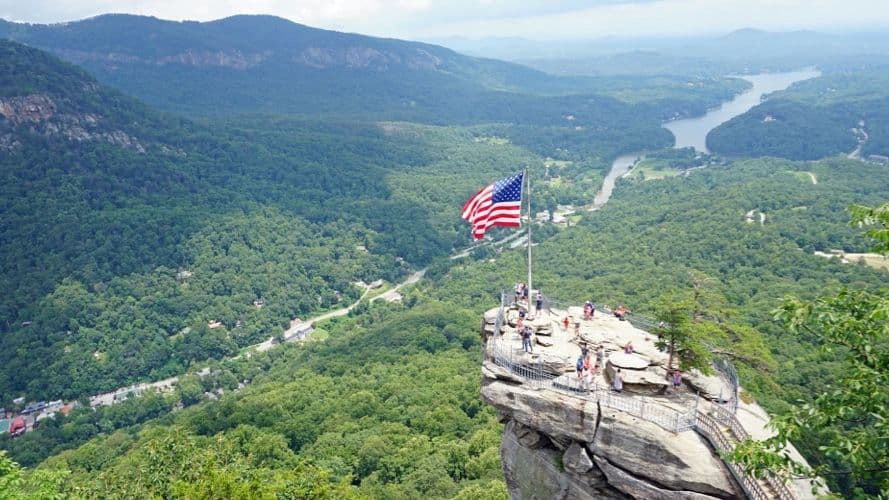
In the western panhandle, the parent side quest moves into the scenic corridors of Fort Robinson and the Wildcat Hills. Here, the waiting rhythm includes visits to Chimney Rock or the Agate Fossil Beds, where the geography of the camp system is reflected in the surrounding parkland. Parents often engage in light hiking or photography of the sandstone buttes, maintaining a proximity to the camp environment without entering the operational zone. This experience is held in the quiet of the pine ridges and the sensory intensity of the high plains sun. The transition from the highway to the gravel entrance of a camp is a significant physical marker for these visitors.

This external layer is not an operational extension but a parallel ecosystem that supports the emotional transition of the family. The presence of parent adjacent activities allows for a gradual decompression from the metropolitan grid before the final arrival at the camp perimeter. This surfaces as a buffer that absorbs the transit friction of long distance travel across the I-80 corridor. The sights of center pivot irrigation and the smell of cedar smoke are consistent markers of this waiting world. The parent side quest concludes at the camp gate, where the high plains hospitality gives way to the structured routine of the camp system.

Communication during this window is often limited by the vast distances and the intermittent cellular coverage in remote river valleys. Parents rely on the fixed locations of visitor centers and small town cafes to maintain a link to the outside world while waiting for the pickup window. This isolation is a structural component of the Nebraska summer, where the landscape enforces a natural distance. The cycle of the parent side quest is one of observation from the periphery, watching the same weather patterns and light shifts that define the experience of the camp participant. The horizon remains wide and unobstructed.

Observed system features:

platte valley hospitality corridor usage.
historic site waiting rhythms.
highway to gravel road transitions.

The distant whistle of a Union Pacific freight train crossing the valley..

Operational readiness.

Confidence anchors and transition friction.

Operational readiness in the Nebraska system is anchored in the dual disciplines of storm reliability and equestrian safety.

Confidence Anchors such as the morning sky scan briefing and the consistent sound of the camp bell provide the structural stability required for the system to function in an exposed environment. These routines are designed to automate safety in a landscape where the messy truth includes heat exhaustion, high UV exposure, and the physical grit of prairie dust. The sky scan ritual ensures that every staff member is synchronized with the day’s convective potential before activities begin. This routine reduces the cognitive load of weather monitoring during the active hours of the day.

Transition friction is highest during the initial arrival from the high comfort metropolitan grid as participants move into the sensory intensity of the uninsulated pine lodge. This move is signaled by the departure from air conditioned vehicles into the dry, high velocity air of the central plains. The system manages this friction through thermal anchors such as mandatory shade blocks and the use of spring fed river water for temperature regulation. The sight of a well organized horse tack room or a functional lightning rod provides a physical signal of operational security. Dust tracks travel indoors immediately upon arrival.

Readiness is physically manifested in the integrity of the thermal cooling hardware and the availability of high capacity hydration systems. The cultural rhythm of the state, which values heartland grit and agricultural stewardship, is reflected in the high degree of outdoor centric leadership programming despite the weather load. Transition friction is also visible in the management of gear, where the buffer of extra thermal layers and high SPF supplies must be constantly maintained to prevent environmental breakdown. The readiness of a facility is visible in its weather hardened state including functional drainage culverts and debris free metal roofs.

Human ROI is observed in the correlation between the availability of cool zones and the maintenance of group energy during the transition from the hot afternoon to the cooler evening. The physical integrity of the storm shelter and the main lodge functions as the primary daily confidence anchor for any Nebraska legacy camp. These structures provide a physical sanctuary that allows for recovery from the environmental loads of the day. The routine of the evening gathering under a ventilated roof marks the successful navigation of the day’s weather cycles. Stability is found in the repetitive nature of these protective measures.

The messy truth of the Nebraska summer is that the environment is uncompromising and requires constant physical adjustment. Operational readiness is the process of aligning human routine with the physics of the wind and the solar cycle of the high plains. This surfaces as the continuous maintenance of hydration logs, the checking of weather radios, and the inspection of animal enclosures. The sight of a clean, ventilated dining hall and the sound of industrial grade ceiling fans provide the final auditory and visual signals of a stable system. These artifacts hold the load of the environment so the participants do not have to.

Observed system features:

morning sky scan safety ritual.
thermal cooling hardware inspection.
ventilated recovery zone maintenance.

The tactile grit of fine prairie loess on a wooden porch..

Kampspire Field Guide

A shared way to understand camp environments

The Field Guide sits in the space between research and arrival, helping you understand how camp environments work before you experience them.

Disclaimer & Safety

General information:

This content is for informational purposes only and reflects market observations and publicly available sources. Kampspire is an independent platform and does not provide medical, legal, psychological, safety, travel, or professional advisory services.

Safety & oversight:

Camp programs operate within local health, safety, and child-care frameworks that vary by region. Because these standards are set and enforced locally, families should consult the camp directly and relevant local authorities for the most current information on safety practices and supervision.

Our role:

Kampspire does not verify, monitor, or evaluate compliance with these standards. Program details, pricing, policies, and availability are determined by individual providers and must be confirmed directly with them.